


Is anxiety disorder easy to treat?
Nov 21, 2025
Source: Cainiu Health

Dr. Zhang Baohua
Introduction
In general, whether anxiety disorder is easy to treat depends on the severity of the condition and the coping strategies used. Mild anxiety can be improved relatively easily through proper regulation, while moderate to severe anxiety, although requiring a longer treatment period, can also be effectively managed with professional intervention. It is recommended to develop hobbies and interests to divert attention, communicate more with family and friends to relieve stress, and maintain moderate exercise such as jogging or yoga.
Generally speaking, whether anxiety disorder is easy to treat depends on the severity of the condition and the approach taken. Mild anxiety can be improved through standardized regulation, while moderate to severe anxiety, although requiring a longer treatment period, can also be effectively managed with professional intervention. The specific analysis is as follows:
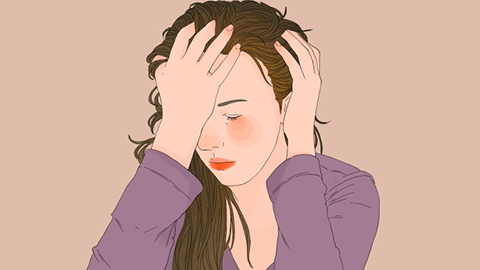
Mild anxiety is typically characterized by periodic tension and worry, with minimal impact on daily life. In such cases, psychological regulation can help alleviate symptoms—practicing relaxation techniques such as deep breathing and meditation, avoiding excessive rumination on negative emotions, maintaining regular sleep patterns, and reducing caffeine intake can stabilize the nervous system and gradually reduce feelings of anxiety.
Moderate to severe anxiety often involves persistent panic, sleep disturbances, difficulty concentrating, and may even impair work performance and social functioning. These cases require professional treatment, where doctors develop individualized plans that may include medication and psychotherapy to break the cycle of anxiety through combined interventions.
It is recommended to cultivate hobbies to divert attention and communicate more with family and friends to relieve stress. Engaging in regular moderate exercise, such as jogging or yoga, can improve mood by promoting endorphin release. Maintaining a positive attitude toward treatment and avoiding avoidance behaviors are essential for consolidating therapeutic outcomes.


