


What are the side effects of antidepressant medications?
Nov 21, 2025
Source: Cainiu Health

Dr. Zhang Baohua
Introduction
In general, the possible side effects of antidepressant medications mainly include gastrointestinal reactions, sleep disturbances, mood fluctuations, sexual dysfunction, metabolic abnormalities, and others. Most side effects tend to gradually diminish as the body adapts to the medication. The type and severity of side effects vary among individuals; therefore, never discontinue medication on your own due to side effects. Maintain a light diet and regular作息 (daily routine) during treatment.
Generally, side effects of antidepressant medications may mainly include gastrointestinal reactions, sleep disturbances, mood fluctuations, sexual dysfunction, and metabolic abnormalities. Most side effects tend to gradually diminish as the body adapts to the medication. A detailed analysis is as follows:
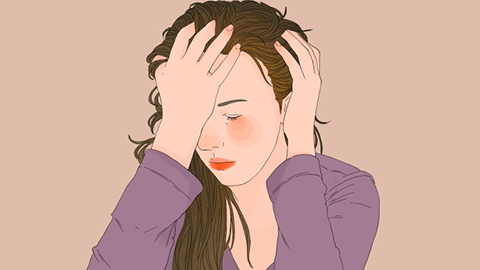
1. Gastrointestinal reactions: This is the most common side effect during the initial phase of treatment, manifesting as nausea, vomiting, bloating, diarrhea, or dry mouth. These symptoms typically appear within 1–2 weeks after starting the medication, are usually mild in severity, and resolve spontaneously as the body adjusts. Taking the medication after meals can help reduce discomfort to some extent.
2. Sleep disturbances: Side effects show a bipolar pattern—some patients experience drowsiness and daytime fatigue, while others suffer from difficulty falling asleep or frequent dreaming. These reactions are related to the drug's regulation of neurotransmitters and are typically most noticeable during the early stages of treatment.
3. Mood fluctuations: A minority of patients may experience increased anxiety, restlessness, or even temporary worsening of low mood during the initial phase of treatment. This does not indicate inefficacy of the medication but rather reflects the body’s adaptation process, which is usually short-lived.
4. Sexual dysfunction: Some medications may lead to reduced libido, erectile dysfunction, or delayed ejaculation. This side effect is often overlooked but can significantly impact quality of life. Patients should proactively inform their doctor if such issues arise. Adjusting the type or dosage of medication can improve symptoms; never discontinue medication on your own.
5. Metabolic abnormalities: Long-term use of certain antidepressants may cause weight gain, and in a few cases, slight elevations in blood glucose or lipid levels. These changes are associated with the drug’s influence on appetite regulation or metabolic function. Maintaining a balanced diet and regular exercise can assist in managing these effects, and routine monitoring of relevant indicators is recommended.
The type and severity of side effects vary among individuals; never discontinue medication due to side effects without medical advice. During treatment, maintain a light diet, regular作息 (daily routine), and promptly report any discomfort to your doctor. With scientific adjustments to the treatment plan, therapeutic efficacy can be maintained while minimizing side effects.


