


Can anxiety disorder lead to violent tendencies?
Nov 21, 2025
Source: Cainiu Health

Dr. Zhang Baohua
Introduction
In general, whether anxiety disorder leads to violent tendencies depends on the specific circumstances. If any discomfort occurs, it is recommended to seek medical attention promptly. When interacting with patients, it is important to create an inclusive environment and avoid verbal stimuli that might trigger emotional fluctuations. Encourage patients to relieve anxiety through physical activity, talking to others, and similar methods, helping them establish healthy channels for emotional expression.
Generally speaking, whether anxiety disorder is associated with violent tendencies depends on the specific circumstances. If discomfort occurs, it is recommended to seek medical help promptly. The detailed analysis is as follows:
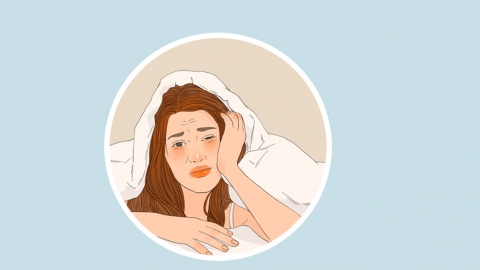
The majority of individuals with anxiety disorder do not exhibit violent tendencies. Their anxiety typically manifests as self-suppression, fear, or physical symptoms such as palpitations and insomnia. These patients often excessively focus on their own condition and tend to avoid conflict. With self-regulation or professional support, their symptoms can gradually improve without posing any aggression toward others.
However, if anxiety disorder is accompanied by severe emotional dysregulation, or coexists with impulse control disorders or personality issues, violent tendencies may emerge. When anxiety builds up to an extreme level without adequate outlets for release, some individuals might resort to attacking others as a way to relieve stress, showing behaviors such as verbal conflicts or physical shoving. In such cases, timely intervention through professional treatment is essential.
When interacting with patients, it's important to create an inclusive environment and avoid verbal provocations that could trigger emotional fluctuations. Encourage patients to release anxiety through physical activity, talking to others, or similar methods, helping them establish healthy channels for emotional expression. Regularly accompany them in relaxation activities, and if signs of losing emotional control are observed, contact a mental health professional immediately to ensure the safety of both the patient and those around them.




