


Is a heart rate of 120 beats per minute during anxiety dangerous?
Nov 21, 2025
Source: Cainiu Health

Dr. Zhang Baohua
Introduction
In general, whether a heart rate of 120 beats per minute in individuals with anxiety disorder is dangerous depends on specific symptoms and individual health status. It usually isn't directly dangerous if no other symptoms are present; however, risks may exist if accompanied by chest pain, shortness of breath, or if the elevated heart rate persists for a prolonged period. Daily prevention of anxiety episodes can include techniques such as progressive muscle relaxation and listening to calming music.
In general, whether a heart rate of 120 beats per minute in patients with anxiety disorder is dangerous depends on a comprehensive assessment of specific symptoms and individual health status. If there are no other symptoms, it usually does not pose an immediate risk. However, if accompanied by chest pain, difficulty breathing, or if the elevated heart rate persists for a long time, potential risks may exist. Detailed analysis is as follows:
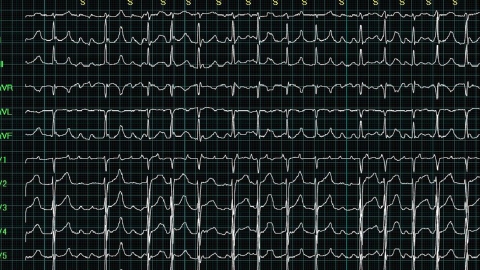
If the heart rate reaches 120 beats per minute but there are no other symptoms such as chest pain, shortness of breath, or dizziness, and the patient has no underlying cardiovascular conditions, there is generally no direct danger. This condition is often caused by autonomic nervous system activation due to anxiety, and the heart rate typically returns to normal gradually once emotions stabilize, with the body naturally restoring balance.
However, if a heart rate of 120 beats per minute is accompanied by symptoms such as chest pain, difficulty breathing, blurred vision, or lasts longer than one hour without improvement, or if the patient has pre-existing conditions like hypertension or coronary heart disease, there may be significant risks. Prolonged rapid heart rate can increase cardiac workload and potentially trigger cardiovascular events, warranting caution and timely medical intervention.
To prevent anxiety episodes, individuals can practice progressive muscle relaxation, listen to calming music, maintain regular sleep patterns, avoid staying up late, and limit consumption of coffee and strong tea. If rapid heartbeat occurs frequently, carrying emergency medication prescribed by a doctor is advisable. Additionally, regularly monitoring heart rate and blood pressure and seeking prompt medical consultation when abnormalities arise are important steps for maintaining health.


