


Is it easy to become depressed during pregnancy?
Nov 21, 2025
Source: Cainiu Health

Dr. Zhang Lu
Introduction
During pregnancy, women experience significant fluctuations in hormone levels. Changes in hormones such as estrogen and progesterone may affect neurotransmitter balance and disrupt emotional regulation. At the same time, discomforts commonly associated with pregnancy—such as nausea, insomnia, and bodily pain—can accumulate over time and easily lead to psychological stress. Excessive worry about fetal health, fear of childbirth, or difficulty adapting to the transition in roles may also contribute to emotional challenges.
Generally, various factors during pregnancy may increase the risk of depression, but not all pregnant women will experience depressive symptoms. If any abnormalities occur, prompt medical consultation is recommended. The detailed analysis is as follows:
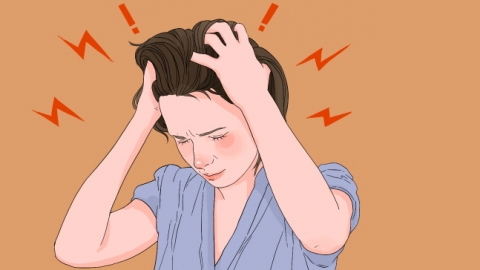
During pregnancy, significant fluctuations in hormone levels—such as estrogen and progesterone—can disrupt the balance of neurotransmitters and impair emotional regulation. Additionally, common discomforts like nausea, insomnia, and bodily pain, when prolonged, can lead to psychological stress. Excessive worry about fetal health, fear of childbirth, or difficulty adapting to role changes may also create persistent mental burdens.
Pregnant women with a prior history of depression, insufficient family support, or those experiencing major life events are at higher risk of developing depression. Some individuals may have an increased likelihood of mood disorders due to genetic predispositions or pregnancy complications such as gestational hypertension.
Maintaining regular sleep patterns and engaging in mild physical activities like prenatal yoga or walking is advisable during pregnancy. Family members should actively share household responsibilities and provide emotional support, avoiding criticism or blame. Immediate consultation with a mental health specialist is necessary if low mood or loss of interest persists for more than two weeks.


