


Can anxiety cause fainting?
Nov 21, 2025
Source: Cainiu Health

Dr. Zhang Baohua
Introduction
Anxiety disorders may lead to fainting, a condition often associated with physiological responses during acute anxiety attacks. Although uncommon, this should be taken seriously. A series of physical changes triggered by anxiety can affect blood pressure, heart rate, and blood circulation, potentially leading to fainting. If fainting or pre-syncope symptoms occur frequently, prompt medical evaluation is recommended. During acute anxiety attacks,
Anxiety disorders may lead to fainting, a condition often associated with physiological responses during acute anxiety attacks. Although not common, it should be taken seriously. A series of physical changes caused by anxiety can affect blood pressure, heart rate, and blood circulation, potentially triggering fainting. If fainting or pre-syncope symptoms occur frequently, prompt medical evaluation is recommended.
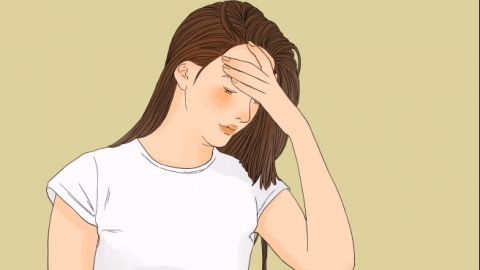
During an acute anxiety attack, the body's sympathetic nervous system becomes highly activated, which may cause hyperventilation. This leads to reduced carbon dioxide levels in the blood, resulting in blood vessel constriction and impaired cerebral blood flow. At the same time, increased heart rate and fluctuating blood pressure can cause temporary insufficient oxygen supply to the brain, leading to dizziness or even fainting.
In addition, chronic anxiety may result in autonomic nervous system dysfunction. Patients may become overly sensitive to bodily sensations, experiencing symptoms such as palpitations, dizziness, and limb weakness. Under intense emotional stress, these symptoms may accumulate and trigger fainting, particularly in individuals who already have underlying conditions such as anemia or hypoglycemia, putting them at higher risk.
In daily life, individuals should learn to regulate emotions through techniques such as deep breathing and meditation to avoid extreme emotional fluctuations; maintain regular sleep schedules to ensure adequate rest; follow a balanced diet to support nutritional needs; and engage in moderate exercise to improve physical health, thereby reducing the frequency and severity of anxiety episodes.






