


What causes fainting during urination, and what should be done about it?
Nov 25, 2025
Source: Cainiu Health

Dr. Wang Lei
Introduction
In general, fainting during urination may be caused by factors such as orthostatic hypotension, micturition syncope, hypoglycemia, arrhythmia, or transient ischemic attack. It is recommended to seek medical attention promptly, identify the underlying cause, and follow a doctor's guidance for appropriate management. In daily life, maintain regular sleep patterns and a balanced diet, avoid excessive fatigue and staying up late, and routinely monitor blood pressure, blood glucose, and heart rate.
Generally, fainting during urination is caused by factors such as orthostatic hypotension, micturition syncope, hypoglycemia, arrhythmia, or transient ischemic attack. It is recommended to seek medical attention promptly, identify the underlying cause, and follow a doctor's guidance for appropriate management. Specific analyses are as follows:
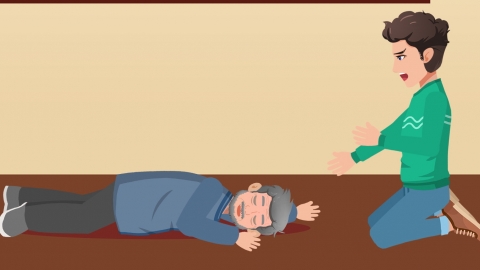
1. Orthostatic Hypotension: When standing up suddenly to urinate, a rapid drop in blood pressure can lead to insufficient cerebral blood flow and result in fainting. This commonly occurs in individuals who rise too quickly. To prevent this, slow down when getting up—sit for a moment before standing—and avoid sudden postural changes. Maintain adequate hydration daily to support stable blood volume.
2. Micturition Syncope: A sudden decrease in abdominal pressure during urination triggers vagal nerve excitation, leading to reduced heart rate and blood pressure, which may cause temporary loss of consciousness. This often occurs at night after prolonged urine retention. To reduce risk, limit fluid intake before bedtime to avoid holding urine, urinate slowly, and consider using a squatting or seated position to minimize blood pressure fluctuations.
3. Hypoglycemia: Low blood glucose levels due to fasting or prolonged periods without food result in inadequate energy supply to the brain. Postural changes during urination may trigger fainting, often accompanied by dizziness and palpitations. Immediately consume sugary foods such as candy or sugar water. Maintain regular meal patterns, and patients with hypoglycemia should follow medical advice to use medications like glucose injection, glipizide tablets, or acarbose tablets to regulate blood sugar.
4. Arrhythmia: Abnormal heart rhythms reduce cardiac output, leading to cerebral hypoperfusion and fainting, often accompanied by chest tightness and palpitations. Follow medical advice to use antiarrhythmic drugs such as metoprolol succinate extended-release tablets, propafenone tablets, or amiodarone tablets. In severe cases, radiofrequency catheter ablation may be performed to eliminate abnormal electrical pathways and restore normal heart rhythm.
5. Transient Ischemic Attack (TIA): Temporary blockage of cerebral blood vessels leads to interrupted blood supply. Hemodynamic changes during urination may trigger fainting, often accompanied by limb numbness and slurred speech. Follow medical advice to use medications such as enteric-coated aspirin tablets, clopidogrel tablets, or atorvastatin calcium tablets.
Maintain regular sleep and eating habits, and avoid excessive fatigue and staying up late. Regularly monitor blood pressure, blood glucose, and heart rate. Engage in moderate aerobic exercise to improve physical fitness, reduce the risk of fainting, and maintain stable circulatory function.





