


Can depression cause irritability?
Nov 21, 2025
Source: Cainiu Health

Dr. Zhang Baohua
Introduction
In general, whether a person with depression becomes irritable depends on the specific type of depression, severity of the condition, and individual differences. If such symptoms are present, it is advisable to seek timely medical evaluation and intervention. Offer patients patient companionship, listen to their inner feelings, and avoid verbal provocation or excessive demands. Create a gentle and comfortable environment.
Generally speaking, whether patients with depression become irritable depends on the specific type of depression, severity of the condition, and individual differences. If related symptoms are present, timely medical evaluation and intervention are recommended. The details are as follows:
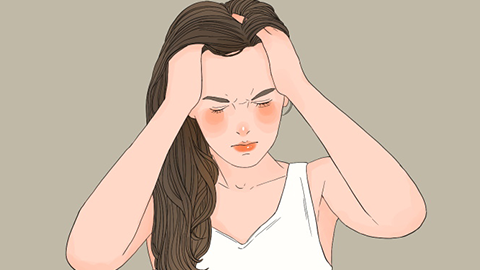
Some patients with depression may exhibit irritability. This situation often coexists with anxiety or occurs during an acute phase of the illness. When negative emotions cannot be properly released, they may manifest as anger and irritability. Minor incidents might trigger intense emotional reactions, or even impulsive behaviors—this is a clear indication of impaired emotional regulation.
Other patients do not show irritability; instead, they tend to experience low mood and social withdrawal. They often remain trapped in persistent feelings of sadness, lose interest in external activities, and feel extremely low energy. Their negative emotions are typically directed inward, manifesting as self-blame and reticence rather than outward expressions of anger. This pattern is more common among introverted individuals or during relatively stable phases of the illness.
It is important to offer patients patient companionship and attentively listen to their inner feelings, avoiding verbal provocation or excessive demands. Creating a gentle and comfortable environment, encouraging participation in light activities, and helping them gradually relieve stress can be beneficial. Respecting the patient's emotional state without forcing change, and providing support with compassion and understanding, can help ease their psychological burden over time.


