What would a head CT scan show in cases of auditory hallucinations?
Nov 21, 2025
Source: Cainiu Health

Dr. Zhang Baohua
Introduction
Most patients with schizophrenia show no specific findings on cranial CT scans; some may exhibit nonspecific changes such as enlarged lateral ventricles or widened sulci. Such hallucinations are primarily caused by cerebral neurotransmitter disturbances, and CT scanning is mainly used to rule out other organic diseases. During temporal lobe epilepsy seizures, cranial CT may reveal localized areas of encephalomalacia, calcification, or structural abnormalities in the temporal lobe.
Under normal circumstances, a head CT scan may appear normal when auditory hallucinations are present, but it could also reveal organic brain lesions. If abnormalities are detected, prompt medical attention is recommended. The detailed analysis is as follows:
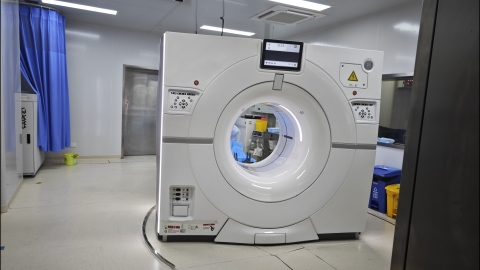
In most patients with schizophrenia, cranial CT scans show no specific findings; however, some may exhibit non-specific changes such as enlarged lateral ventricles or widened cerebral sulci. These types of hallucinations are primarily caused by disturbances in cerebral neurotransmitters. CT scans in these cases are mainly used to rule out other organic brain diseases. During temporal lobe epilepsy seizures, cranial CT may detect localized areas of encephalomalacia, calcifications, or structural abnormalities in the temporal lobe. Hallucinations in these cases are often accompanied by impaired consciousness and automatisms.
Auditory hallucinations may occur after severe traumatic brain injury, and cranial CT can reveal changes such as cerebral contusions, subdural hematomas, or hydrocephalus. Post-traumatic hallucinations are often associated with temporal lobe damage. Infectious conditions such as encephalitis or meningitis may also lead to hallucinations, with cranial CT showing signs like cerebral edema, reduced ventricular size, or meningeal enhancement.
If symptoms of auditory hallucinations arise, it is advisable to seek timely medical evaluation, including comprehensive psychiatric and psychological assessments and electroencephalography (EEG), to determine the underlying cause and initiate targeted treatment. Daily routines should remain regular, and exposure to mental stressors should be avoided. Family members should closely monitor symptom changes and document the characteristics of episodes.