


Can depression caused by formaldehyde gradually disappear?
Nov 21, 2025
Source: Cainiu Health

Dr. Zhang Baohua
Introduction
Long-term exposure to low concentrations of formaldehyde may lead to neurasthenia, memory decline, and even trigger depressive moods; however, these symptoms are mostly associated with formaldehyde irritation of the respiratory tract and its impact on nervous system function. If patients promptly remove themselves from the formaldehyde environment, mild depressive symptoms may gradually diminish after the body metabolizes and eliminates formaldehyde, especially with adequate rest, improved sleep patterns, and psychological counseling.
Under normal circumstances, mild depressive symptoms caused by formaldehyde exposure may gradually improve after leaving the contaminated environment. However, if exposure continues or symptoms are severe, spontaneous recovery is unlikely. Medical consultation is recommended if any abnormalities occur. Detailed analysis is as follows:
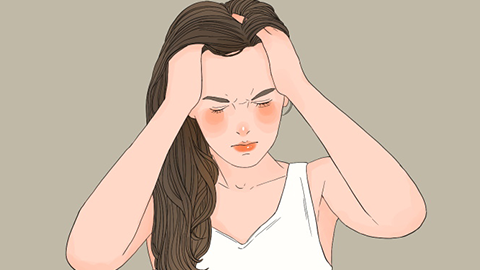
Prolonged exposure to low concentrations of formaldehyde may lead to neurasthenia, memory decline, and even trigger depressive moods. These symptoms are mostly associated with formaldehyde irritation of the respiratory tract and its impact on nervous system function. If individuals promptly remove themselves from the formaldehyde-contaminated environment and engage in adequate rest, lifestyle adjustments, and psychological counseling, mild depressive symptoms may gradually subside as the body metabolizes and eliminates formaldehyde. The recovery period typically ranges from several weeks to several months.
If a person remains in an environment with excessive formaldehyde levels for a prolonged period, or has already developed persistent low mood, loss of interest, sleep disturbances, and other typical signs of depression, simply removing the pollution source may not be sufficient to fully resolve the symptoms. In such cases, treatment should include antidepressant medications and professional psychological interventions to prevent chronicity or worsening of the condition.
In daily life, it is important to maintain indoor ventilation, regularly test air quality, and avoid using substandard building and decoration materials. If symptoms such as dizziness, chest tightness, or mood swings occur, prompt medical evaluation should be sought to assess potential formaldehyde exposure.








