


How long after injecting diazepam can you eat?
Nov 21, 2025
Source: Cainiu Health

Dr. Huang Yuhong
Introduction
After injection of diazepam, patients may experience central nervous system depression symptoms such as dizziness, drowsiness, and fatigue, which are particularly evident during the initial phase of treatment or when higher doses are administered. If the patient is alert and has no nausea, vomiting, or other discomfort, they may try drinking small amounts of water or eating easily digestible foods such as rice porridge or noodles. Avoid greasy, spicy, or hard foods that may irritate the gastrointestinal tract, to prevent complications such as coughing or indigestion caused by drug side effects.
Under normal circumstances, if there are no unusual discomforts after diazepam injection, patients may consume a small amount of light food half an hour to one hour later. If any abnormal reactions occur, medical attention is recommended promptly. Detailed analysis is as follows:
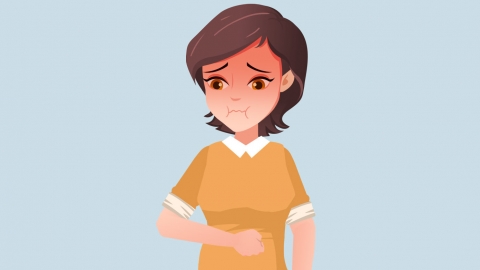
Diazepam injection may cause central nervous system depression symptoms such as dizziness, drowsiness, and fatigue, which are particularly noticeable during the initial phase of treatment or when higher doses are administered. If the patient is alert and has no discomfort such as nausea or vomiting, they may try drinking a small amount of water or eating easily digestible foods like congee or noodles. Greasy, spicy, or hard foods should be avoided to prevent gastrointestinal irritation and reduce the risk of coughing or indigestion caused by drug side effects.
If the patient still experiences significant dizziness, unsteady gait, or persistent nausea after injection, fasting should be prolonged until symptoms subside before gradually resuming food intake. Attempting to eat under these conditions may increase the risk of aspiration, especially in elderly individuals or those with impaired swallowing function, who require particular caution. When necessary, intravenous nutrition may be used to maintain energy levels.
After administration, patients should rest in a lateral or semi-recumbent position and avoid sudden standing or vigorous physical activity. Monitor oral secretions closely; if frequent coughing or difficulty swallowing occurs, eating should be stopped immediately and healthcare providers contacted for risk assessment.






