


Is chest tightness and shortness of breath the main symptom of depression?
Nov 24, 2025
Source: Cainiu Health

Dr. Zhang Baohua
Introduction
The main symptoms of depression are not necessarily chest tightness or shortness of breath. While chest tightness and shortness of breath can be among the accompanying symptoms, they are not core features of depression. In daily life, if you notice someone around you showing signs of low mood, first patiently listen to their feelings without rushing to give advice; helping them feel understood is what matters most. You can also accompany them in doing some simple everyday tasks.
Shortness of breath and chest tightness are not necessarily the main symptoms of depression. While these physical sensations can occur as accompanying symptoms, they are not core features of depression. The specific analysis is as follows:
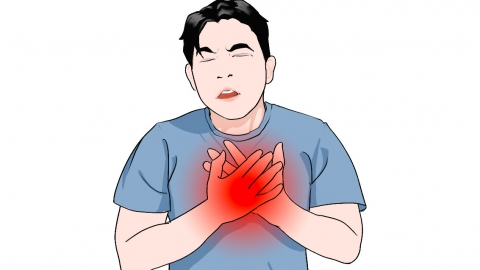
The core manifestations of depression primarily involve emotional and cognitive aspects, rather than physical symptoms. Although the brain's emotional centers are connected to the body's sensory systems, the essence of depression lies in persistent low mood—such as loss of interest in previously enjoyed activities, constant feelings of fatigue and helplessness, slowed thinking, and frequent self-critical thoughts. These are the key indicators for identifying depression. Physical sensations like chest tightness or shortness of breath often result from autonomic nervous system dysregulation caused by prolonged emotional suppression. For example, chronic anxiety or emotional tension can alter breathing patterns, leading to a sensation of chest congestion. Such bodily symptoms are indirect reflections of emotional distress, not core characteristics of depression itself. Moreover, physical symptoms vary widely among individuals—some may experience insomnia or decreased appetite instead of chest discomfort.
In daily life, if you notice someone around you showing signs of low mood, start by listening patiently to their feelings without rushing to offer advice; simply helping them feel understood can make a big difference. Engage them in simple activities such as taking walks or enjoying sunlight together. Maintaining a regular routine and eating a light, balanced diet can also support emotional stability. If the low mood persists for an extended period, gently encourage them to seek professional evaluation and offer to accompany them, helping prevent the situation from worsening due to neglected emotional needs.


