


What is bipolar disorder, and can it be cured?
Nov 24, 2025
Source: Cainiu Health

Dr. Zhang Baohua
Introduction
Bipolar disorder is a common chronic mood disorder characterized by alternating episodes of mania and depression, accompanied by abnormalities in thinking and behavior. With standardized treatment and long-term management, the condition can be effectively controlled, allowing individuals to maintain normal daily functioning. If significant mood swings or abnormal behaviors occur, prompt medical evaluation is recommended.
Bipolar disorder is a common chronic mood disorder characterized by alternating episodes of mania and depression, accompanied by abnormalities in thinking and behavior. With standardized treatment and long-term management, the condition can be effectively controlled, allowing individuals to maintain normal daily functioning. If significant mood swings or abnormal behaviors occur, prompt medical attention is recommended.
During manic episodes, patients may experience abnormally elevated mood, excessive talking, impulsivity, increased energy, reckless spending, racing thoughts, and inflated self-esteem. They may stay awake for nights without feeling tired and engage in irrational behaviors.
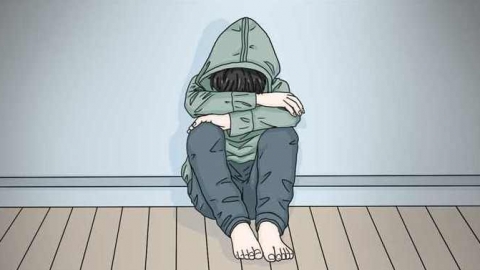
Depressive episodes are marked by persistent low mood, loss of interest, feelings of guilt and low self-worth, as well as disturbances in sleep and appetite, poor concentration, and, in severe cases, suicidal thoughts or actions. These two states may alternate, with varying intervals between episodes depending on the individual.
In daily life, maintaining a regular routine and avoiding emotional stressors are important. Family members should offer understanding and companionship, avoiding both excessive criticism and neglect. Encouraging participation in mild social activities and exercise, along with adherence to treatment plans and regular follow-up visits, helps promote stability in the condition.


