


What causes coma?
Nov 24, 2025
Source: Cainiu Health

Dr. Wang Lei
Introduction
In general, coma may be caused by excessive fatigue and sleep deprivation, hypoglycemia, transient ischemic attack, cerebral hemorrhage, hepatic encephalopathy, or other reasons. It is recommended to seek timely medical attention, identify the underlying cause, and receive symptomatic treatment under a doctor's guidance. In daily life, maintain a regular作息 (routine), avoid overexertion, and regularly monitor indicators such as blood glucose and blood pressure.
In general, coma may be caused by excessive fatigue and sleep deprivation, hypoglycemia, transient ischemic attack (TIA), cerebral hemorrhage, hepatic encephalopathy, or other reasons. It is recommended to seek medical attention promptly, identify the underlying cause, and receive symptomatic treatment under a doctor's guidance. Specific analysis is as follows:
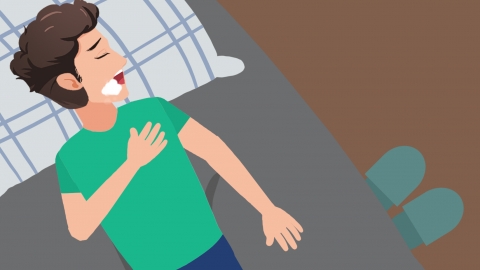
1. Excessive fatigue and sleep deprivation: Prolonged high-intensity work or continuous insomnia can lead to dysfunction of the nervous system, resulting in transient coma. Immediately lay the patient down to rest in a quiet environment, provide warm water and easily digestible food, and avoid overexertion.
2. Hypoglycemia: Low blood glucose leads to insufficient energy supply to brain cells, causing coma, often accompanied by palpitations and cold sweats. Quickly give the patient candy or sugary water. For severe cases, administer medications such as glucose injection, glucagon injection, or methylprednisolone sodium succinate injection according to medical advice.
3. Transient ischemic attack (TIA): Temporary blockage of cerebral blood vessels causes insufficient blood supply to the brain, leading to brief episodes of coma, often accompanied by limb numbness. Patients should take medications such as enteric-coated aspirin tablets, clopidogrel hydrogen sulfate tablets, and atorvastatin calcium tablets as prescribed. Daily management should include controlling blood pressure and glucose levels and avoiding emotional excitement.
4. Cerebral hemorrhage: Ruptured blood vessels in the brain cause bleeding that compresses brain tissue, resulting in coma along with headache and vomiting. Emergency craniotomy for hematoma evacuation is required to relieve intracranial pressure. After surgery, medications such as mannitol injection, glycerol fructose injection, and furosemide injection should be used as directed by a physician.
5. Hepatic encephalopathy: Liver failure leads to accumulation of metabolic waste products that affect the central nervous system, causing coma along with behavioral abnormalities. Patients may use medications such as lactulose oral solution, ornithine aspartate injection, and compound amino acid injection as prescribed, while restricting protein intake.
In daily life, maintain a regular routine, avoid excessive fatigue, and regularly monitor indicators such as blood glucose and blood pressure. Individuals with liver disease or cerebrovascular conditions should strictly follow medical advice for treatment, maintain a balanced diet, and reduce the risk of coma triggers.





