


What to do for hepatic coma in advanced liver cancer
Dec 03, 2025
Source: Cainiu Health

Dr. Gao Jun
Introduction
For advanced liver cancer with hepatic encephalopathy, it is essential to eliminate precipitating factors, reduce ammonia production, promote ammonia metabolism, support vital signs, and protect brain function. This condition is a critical emergency requiring immediate intervention. If the patient develops symptoms such as confusion, drowsiness, or coma, immediate medical treatment and resuscitation are recommended. Prompt management includes controlling infection, correcting electrolyte imbalances, stopping bleeding, and removing accumulated blood from the intestinal tract.
In advanced liver cancer with hepatic coma, it is essential to eliminate precipitating factors, reduce ammonia production, promote ammonia metabolism, support vital signs, and protect brain function. This condition is a critical emergency requiring immediate intervention. If the patient develops symptoms such as confusion, drowsiness, or coma, immediate medical treatment is strongly recommended.
1. Eliminate precipitating factors: promptly control infections, correct electrolyte imbalances, stop bleeding and clear accumulated blood in the intestines, avoid hepatotoxic drugs, and discontinue potent diuretics and sedatives to minimize factors that may trigger or worsen hepatic encephalopathy.
2. Reduce ammonia production: strictly limit protein intake, especially animal protein; administer oral lactulose or perform enemas with weak acid solutions to acidify the intestinal tract, thereby inhibiting the growth of ammonia-producing bacteria and reducing ammonia generation and absorption in the gut.
3. Promote ammonia metabolism: follow medical instructions to use medications such as ornithine aspartate and arginine to activate the urea cycle, accelerate ammonia metabolism and excretion, correct amino acid metabolic imbalances, and reduce the neurotoxic effects of elevated blood ammonia levels.
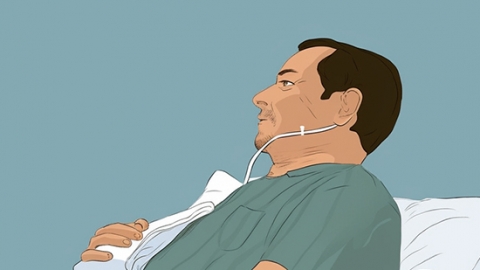
4. Support vital signs: maintain airway patency to prevent aspiration; administer oxygen or assist respiration if necessary; maintain fluid, electrolyte, and acid-base balance; provide energy via intravenous glucose infusion; and ensure circulatory stability.
5. Protect brain function: use ice caps to lower intracranial temperature and reduce cerebral metabolic demand; when necessary, administer dehydration agents to alleviate cerebral edema and prevent worsening brain injury. Closely monitor changes in consciousness and neurological function.
Keep the patient in a lateral position to facilitate secretion drainage, turn the patient regularly to prevent pressure ulcers, maintain good oral hygiene and skin care, keep the environment quiet and gentle, strictly adhere to medical instructions regarding medication and dietary adjustments, and closely observe changes in mental status and vital signs.




