


What is water intoxication?
Nov 24, 2025
Source: Cainiu Health

Dr. Wang Lei
Introduction
Under normal circumstances, water intoxication is a condition caused by excessive water intake far beyond excretion, leading to electrolyte imbalance in the body. It is often associated with excessive drinking or impaired water excretion, and is unlikely to occur in healthy individuals who drink water appropriately. Daily water consumption should follow the principle of small amounts frequently, with a recommended daily intake of 1,500–2,000 milliliters for adults.
Generally, water intoxication occurs when the body's water intake far exceeds output, leading to electrolyte imbalance. It is mostly associated with excessive water consumption or impaired water excretion, and is unlikely to occur in healthy individuals who drink water in moderation. Here is a detailed explanation:
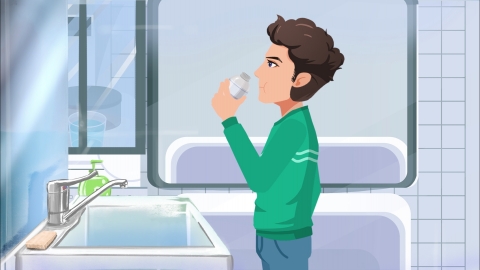
A healthy kidney can excrete approximately 800–1000 milliliters of water per hour. If a large volume of water is consumed in a short time that exceeds the kidney's metabolic capacity, the excess water dilutes the blood, potentially causing hyponatremia. This leads to decreased osmotic pressure in the extracellular fluid, causing water to enter cells, which may result in symptoms such as dizziness, fatigue, and nausea. In severe cases, neurological functions may be affected, leading to restlessness, confusion, or altered consciousness. However, such conditions are relatively rare among the general population.
Water intoxication is more likely to occur in specific situations or among certain populations—for example, drinking large amounts of plain water after intense exercise, which can lead to excessive loss of body salts; or in patients with kidney disease or heart failure who have reduced ability to excrete water, making them more susceptible to complications from excessive fluid intake.
For daily hydration, it is recommended to follow the principle of drinking small amounts frequently. A daily water intake of 1500–2000 milliliters is sufficient for most adults. After exercise, consuming lightly salted water can help replenish lost electrolytes, and one should avoid rapidly drinking large quantities of plain water at once.





