


Is liquid nitrogen frostbite or burn injury?
Nov 24, 2025
Source: Cainiu Health

Dr. Wang Lei
Introduction
Under normal circumstances, skin contact with liquid nitrogen causes frostbite rather than burns. Proper protection is essential when handling liquid nitrogen, including wearing specialized cryogenic gloves and protective clothing. If accidental contact occurs, immediately move away from the liquid nitrogen source and gently rinse the affected area with lukewarm running water. Do not rub or apply heat to the injured site. For mild frostbite, apply a gentle moisturizing cream to keep the skin hydrated.
Under normal circumstances, when liquid nitrogen comes into contact with human skin, the resulting injury is actually frostbite, not a burn. The detailed explanation is as follows:
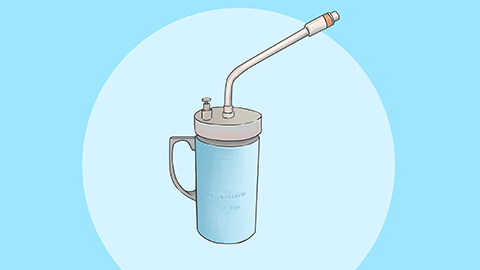
Liquid nitrogen is extremely cold under standard conditions. Upon contact with the skin, it rapidly absorbs heat and vaporizes, causing an intense thermal exchange that instantly removes heat from the skin surface and underlying tissues. This leads to a sharp drop in local tissue temperature, causing water inside and outside cells to freeze quickly and form ice crystals. These ice crystals damage cell structures, harm blood vessels and nerves, and may result in redness, swelling, blisters, or even tissue necrosis. Such injuries caused by extreme cold are fundamentally frostbite, not chemical corrosion.
Proper protection is essential when handling liquid nitrogen, including wearing specialized cryogenic gloves and protective clothing. If accidental contact occurs, immediately move away from the source of liquid nitrogen and gently rinse the affected area with room-temperature running water—do not rub or apply heat. For mild frostbite, apply a gentle moisturizing cream to keep the skin hydrated and maintain cleanliness and dryness of the injured area. If blisters, skin discoloration, or severe pain occur, do not puncture the blisters yourself; seek medical attention promptly. Always follow safety guidelines for the storage and use of liquid nitrogen, and avoid direct contact without proper protection.


