


Are ginkgo nuts toxic?
Nov 24, 2025
Source: Cainiu Health

Dr. Huang Yuhong
Introduction
Under normal circumstances, ginkgo nuts are toxic. The seed coat and germ should be removed before consumption, as these parts contain relatively high levels of toxic components. Afterwards, soak the nuts in clean water for several hours, then cook them thoroughly, which can significantly reduce their toxicity. Adults should not consume more than 10 nuts at a time, while children should eat smaller amounts or avoid them altogether.
Generally speaking, ginkgo nuts are toxic. The detailed analysis is as follows:
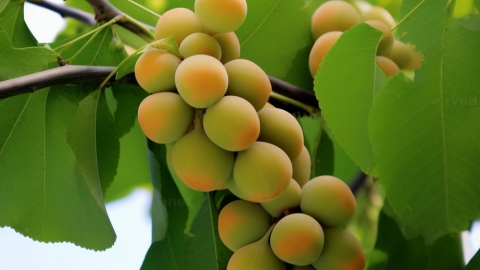
Ginkgo nuts contain toxic components such as ginkgolic acid and hydrogen cyanide. Their toxicity is particularly strong when consumed raw or undercooked. These substances can irritate the gastrointestinal tract, causing symptoms such as nausea, vomiting, and abdominal pain. Excessive intake may also affect the nervous system, leading to serious reactions including dizziness and convulsions. Children are more sensitive to these toxins, and even small amounts may cause discomfort. The folk belief that "eating ginkgo nuts promotes health" must be based on proper processing and controlled dosage; blind consumption should be avoided.
Before consumption, the seed coat and germ of the ginkgo nut should be removed, as these parts contain higher levels of toxic components. Afterwards, soak the nuts in clean water for several hours, then cook them thoroughly, which significantly reduces their toxicity. Adults should not consume more than 10 nuts per serving, while children should either reduce the amount or avoid eating them altogether. If discomfort occurs after consumption, stop eating immediately, drink plenty of water to promote metabolism, and seek medical attention promptly if symptoms are significant. Inform the doctor about the ingestion history for appropriate treatment.





