


How long does it take for a patient with sepsis to die?
Nov 24, 2025
Source: Cainiu Health

Dr. Wang Lei
Introduction
If sepsis is mild, the infection source is clear and can be rapidly eliminated—for example, a simple urinary tract infection—symptoms may significantly improve after 5 to 7 days of intravenous antibiotic treatment. Patients who do not develop multi-organ dysfunction can typically be transferred to a general ward after 10 to 14 days of hospitalization, with a five-year survival rate exceeding 70%.
Sepsis patients typically have highly variable survival times, ranging from several hours to several months, depending on the severity of the condition and treatment response. If abnormalities occur, prompt medical attention is recommended. Detailed analysis is as follows:
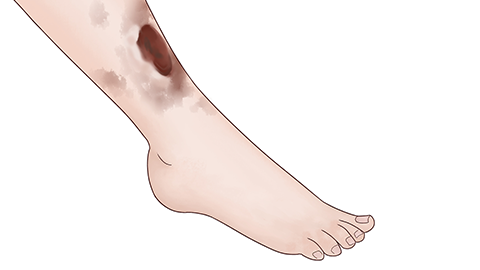
If sepsis is mild, with a clear infection source that can be rapidly eliminated—for example, caused by a simple urinary tract infection—symptoms may improve after 5 to 7 days of intravenous antibiotic therapy. Patients who do not develop multi-organ dysfunction can usually be transferred to a general ward after 10 to 14 days of hospitalization, with a five-year survival rate exceeding 70%.
In severe cases, such as when multiple organ failure occurs, even with aggressive intensive care treatment—including mechanical ventilation and continuous renal replacement therapy—patients often survive less than one month. In critically ill patients who develop disseminated intravascular coagulation (DIC), the mortality rate within 24 hours can reach up to 60%.
Patients with sepsis should be immediately admitted to the intensive care unit (ICU) for blood cultures, imaging studies, and other tests to identify the infection source, and must receive standardized treatment. During recovery, nutritional support should be strengthened with adequate intake of high-protein foods, strenuous physical activity should be avoided, and regular follow-up examinations are necessary to monitor health indicators.





