


Can dead crabs be eaten in winter?
Dec 08, 2025
Source: Cainiu Health

Dr. Huang Yuhong
Introduction
Crabs are nutrient-rich, high-protein food items. After death, bacteria inside their bodies multiply rapidly, breaking down the flesh and producing harmful substances. Although low winter temperatures can slow bacterial growth, they cannot completely prevent it, and harmful substances may accumulate to dangerous levels in a short time. Even if dead crabs appear fresh and have no unpleasant odor, they should not be consumed without caution.
Generally, it is not recommended to eat crabs that have died during winter. Even if they have just died and show no visible abnormalities, there may still be health risks. If in doubt, it's safer to discard them outright. The detailed explanation is as follows:
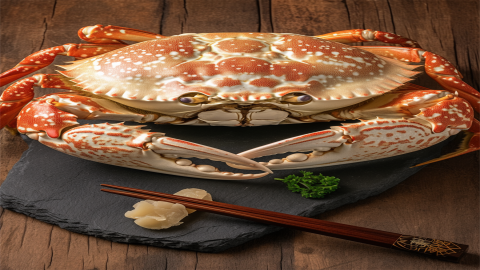
Crabs are high-nutrition, high-protein foods. After death, bacteria inside the body multiply rapidly, breaking down the flesh and producing harmful substances. Although low winter temperatures can slow bacterial growth, they cannot completely prevent it. Harmful substances may accumulate to dangerous levels in a short period of time.
Even if a dead crab appears plump and has no unpleasant odor, caution is still necessary. Early-stage bacterial growth is difficult to detect with the naked eye. Consuming such crabs may cause gastrointestinal discomfort, leading to symptoms such as stomach pain, diarrhea, and vomiting. In severe cases, ingesting toxins may lead to more serious health issues.
When purchasing crabs, always choose live, active ones and cook and consume them immediately. If a crab dies unexpectedly, do not eat it regardless of how long it has been stored. Cooked crabs should be consumed promptly and not left for extended periods. Before eating, ensure the crab is alive and shows no signs of abnormality—never take the risk of consuming a dead crab.



