


Can you eat soy sauce when you have a fever?
Nov 24, 2025
Source: Cainiu Health

Dr. Huang Yuhong
Introduction
In general, you can consume soy sauce when you have a fever, but it is not advisable to eat too much. Soy sauce intake should be limited, as it contains high levels of salt; excessive consumption may increase the burden on the kidneys and cause symptoms such as dry mouth and thirst, which are not conducive to reducing fever. During cooking, opt for light flavors and use less soy sauce. At the same time, increase fluid intake with warm water, rice soup, and other liquid foods.
Generally speaking, you can consume soy sauce when you have a fever, but it is not recommended to eat too much. Here's a detailed explanation:
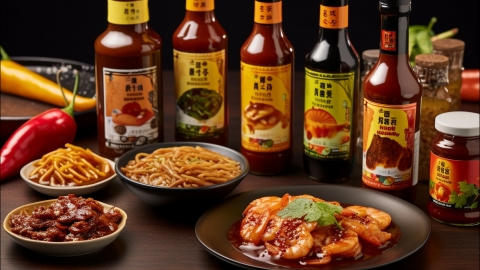
Soy sauce, as a common condiment, is primarily made from soybeans, wheat, and salt. These ingredients do not negatively affect the body during a fever, nor do they worsen the illness or interact with medications. When you have a fever, your metabolism increases, and moderate consumption of soy sauce may help improve appetite and aid in replenishing fluids and small amounts of amino acids. Claims such as "eating soy sauce during a fever causes scarring" or "worsens inflammation" lack scientific basis—scarring is related to wound care, while the severity of inflammation depends on the underlying cause and treatment.
However, soy sauce intake should be controlled due to its high salt content. Excessive consumption may increase the burden on the kidneys and lead to symptoms like dry mouth and thirst, which are not conducive to reducing fever. During cooking, it's best to keep flavors light and use less soy sauce. It's also important to drink plenty of warm water, rice soup, and other liquid foods. Maintain a balanced diet with fresh fruits and vegetables and easily digestible sources of protein during a fever, ensure adequate rest, and keep indoor areas well-ventilated. If your temperature continues to rise or symptoms worsen, seek medical attention promptly.







