How is hypoxemia diagnosed?
Nov 24, 2025
Source: Cainiu Health

Dr. Ren Yi
Introduction
The diagnosis of hypoxemia requires a comprehensive evaluation combining arterial blood gas analysis, pulse oximetry monitoring, clinical symptom assessment, imaging examinations, and identification of underlying causes to determine both the level of blood oxygen and the etiology. If symptoms such as dyspnea, cyanosis, or altered mental status occur, immediate medical attention is recommended. Arterial blood should be drawn to measure the partial pressure of oxygen in the blood. Arterial
Diagnosis of hypoxemia requires a comprehensive evaluation combining arterial blood gas analysis, pulse oxygen saturation monitoring, clinical symptom assessment, imaging studies, and identification of underlying causes to determine both blood oxygen levels and the etiology. If symptoms such as difficulty breathing, cyanosis, or altered consciousness occur, immediate medical attention is recommended.
1. Arterial Blood Gas Analysis: Arterial blood is drawn to measure the partial pressure of oxygen in the blood. A partial pressure of arterial oxygen (PaO₂) below 60 mmHg is the gold standard for diagnosing hypoxemia and accurately reflects the actual oxygen content in the blood.
2. Pulse Oxygen Saturation Monitoring: A non-invasive method using a pulse oximeter to measure oxygen saturation. A saturation level below 90% suggests possible hypoxemia and is suitable for rapid screening and continuous monitoring.
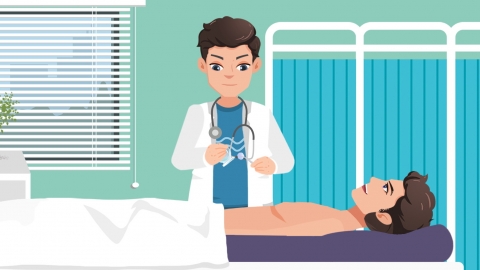
3. Clinical Symptom Assessment: Observe for signs such as shortness of breath, cyanosis of the lips, chest tightness, dizziness, and fatigue. In severe cases, symptoms may include restlessness or coma. The severity of symptoms can help assess the degree of hypoxia.
4. Imaging Studies: Chest X-ray or CT scan can identify pulmonary conditions causing hypoxemia, such as lung infection, pneumothorax, or pulmonary embolism, helping to clarify the location and extent of the病变.
5. Etiological Evaluation: Based on the patient’s medical history, investigate potential underlying conditions such as respiratory diseases, cardiovascular disorders, or sleep apnea syndrome to identify the root cause of hypoxemia and guide appropriate treatment.
For daily management, ensure indoor ventilation, avoid prolonged stays in enclosed spaces, perform moderate respiratory exercises, and for individuals with chronic conditions, adhere to regular treatment and routine oxygen monitoring. Promptly adjust lifestyle and treatment plans if abnormalities arise.