


Is neonatal sepsis serious?
Nov 24, 2025
Source: Cainiu Health

Dr. Zhou Xiaofeng
Introduction
In general, the severity of neonatal sepsis needs to be determined based on specific clinical manifestations, the type of infectious pathogen, response to treatment, and other factors. If any abnormalities are observed, prompt medical attention is recommended. To ensure the newborn's health, once neonatal sepsis is suspected, the infant should be immediately taken to the hospital for evaluation and treatment by a qualified physician. During the treatment period.
Generally, the severity of neonatal sepsis depends on specific clinical manifestations, the type of infectious pathogen, response to treatment, and other factors. If any abnormalities are observed, prompt medical attention is recommended. The detailed analysis is as follows:
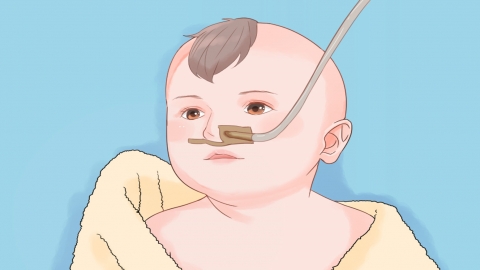
If the infecting pathogen has low virulence and the newborn only exhibits mild symptoms such as low-grade fever or slightly poor feeding, without signs of shock or organ damage, and shows a good response to treatment, the condition is relatively mild. With timely administration of sensitive antibiotics to control the infection, along with supportive care, most affected newborns can recover fully without long-term complications.
However, if the infection is caused by a highly virulent pathogen and the newborn develops high fever or hypothermia, difficulty breathing, worsening jaundice, cold extremities, and accompanying shock or dysfunction of organs such as the brain, lungs, or kidneys, and shows no significant improvement after treatment, the condition is extremely severe. Without timely intervention, it may lead to irreversible damage or even be life-threatening.
To ensure the health of the newborn, immediate hospitalization is necessary once neonatal sepsis is suspected, so that professional physicians can evaluate and initiate appropriate treatment. During treatment, close monitoring of the newborn’s vital signs and disease progression is essential, and active cooperation with the physician's treatment plan is strongly advised.





