


What should I do if I got burned by a motorcycle exhaust pipe?
Nov 25, 2025
Source: Cainiu Health

Dr. Liu Wenmin
Introduction
After a burn from a motorcycle exhaust pipe, immediately move away from the heat source, rinse the area with cool water to reduce temperature, properly manage blisters, apply burn ointment, and protect the wound. If the burn covers a large area, is extremely painful, or accompanied by fever, seek prompt medical treatment at a正规 hospital. In daily care, keep the wound clean and dry, avoid contact with water, maintain a light diet, and reduce intake of spicy foods.
After being burned by a motorcycle exhaust pipe, you should immediately move away from the heat source, rinse the area with cool water to reduce temperature, properly manage blisters, apply burn ointment, and protect the wound. If the burn covers a large area, is extremely painful, or is accompanied by fever, it is recommended to seek timely medical treatment at a正规 hospital. Specific steps are as follows:
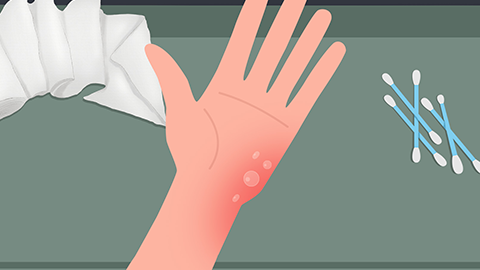
1. Immediately move away from the heat source
Continued exposure to high heat after a burn can worsen tissue damage. It is essential to quickly remove contact with the hot exhaust to prevent the burn from spreading or deepening, allowing time for proper follow-up care.
2. Cool the burn with running water
Rinse the burned area under cool running water for 15–20 minutes. This rapidly removes heat, minimizes further damage to skin tissue, and helps relieve pain. The ideal water temperature is 15–20°C; avoid using ice-cold water, which may cause additional irritation.
3. Properly manage blisters
Small blisters do not need to be punctured, as the intact skin provides natural protection. For large blisters, use a sterile needle to make a small hole at the edge for drainage. Do not peel off the overlying skin to prevent infection. Both the needle and wound must be disinfected before and after the procedure.
4. Apply burn ointment
After drainage or on non-blistered wounds, apply a specialized burn ointment to form a protective layer, promote healing, and reduce discomfort. Avoid applying toothpaste, soy sauce, or similar substances, as they may irritate the wound or lead to infection.
5. Protect the wound
Gently cover the wound with sterile gauze to prevent friction or pressure. Bandaging should not be too tight—ensure adequate ventilation and protect the wound from sweat, dirt, or contamination.
In daily care, keep the wound clean and dry, avoiding contact with water. Maintain a light diet and avoid spicy foods. If signs of infection such as redness, swelling, pus discharge, or fever develop, or if the burn is located on the face, joints, or other sensitive areas, seek immediate medical attention—do not attempt self-treatment.


