


What to do for colchicine poisoning
Nov 25, 2025
Source: Cainiu Health

Dr. Wang Lei
Introduction
In general, management of colchicine poisoning mainly includes immediately stopping the drug and inducing vomiting, seeking emergency medical care and informing healthcare providers, receiving symptomatic and supportive treatments, undergoing medication-based interventions, and making adjustments to daily care. In addition, colchicine is a prescription medication that must be used properly under a doctor's supervision; self-adjusting the dose or extending the duration of use is not allowed. Strict adherence to medical instructions is required during treatment.
Generally, the management of colchicine poisoning mainly includes immediate discontinuation of the drug and inducing vomiting, seeking emergency medical care with full disclosure, symptomatic supportive treatment, pharmacological interventions, and adjustments in daily care. Specific details are as follows:
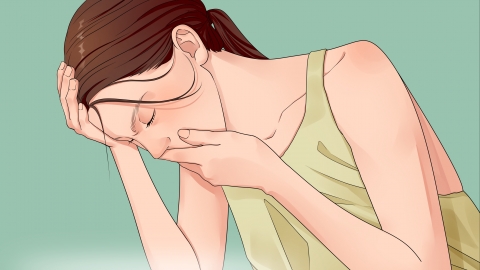
1. Immediate Discontinuation and Induced Vomiting
Once suspected poisoning occurs, all medications containing colchicine must be stopped immediately. If the drug was taken within the past 1 to 2 hours and the person is conscious, vomiting can be induced by stimulating the back of the tongue to expel residual medication from the stomach and reduce toxin absorption. During this process, the head should be turned to one side to prevent vomit from blocking the airway.
2. Seek Emergency Medical Care with Full Disclosure
Go to the nearest hospital emergency department as soon as possible. It is essential to accurately inform the doctor about the dose and time of colchicine ingestion, the symptoms experienced, and whether there are underlying conditions such as liver or kidney dysfunction, hyperthyroidism, or hypothyroidism, so that the doctor can develop an appropriate treatment plan based on complete information.
3. Symptomatic and Supportive Treatment
The doctor will provide targeted treatments according to the symptoms of poisoning. For severe vomiting and diarrhea, intravenous fluid replacement will be administered to restore hydration and electrolyte balance, preventing dehydration and electrolyte disturbances. Patients with significant abdominal pain may receive antispasmodic and analgesic treatments. In cases of impaired liver or kidney function, corresponding protective therapies will be initiated.
4. Pharmacological Interventions
Medication interventions must strictly follow medical advice. Antihistamines such as cetirizine hydrochloride tablets or loratadine hydrochloride capsules may be used to manage allergic reactions. If significant inflammatory responses are present, corticosteroids might be prescribed. The specific choice of medication depends on the patient’s actual clinical condition.
5. Adjustments in Daily Care
Bed rest is required during treatment to avoid physical activity that could increase bodily stress. The diet should consist of light, easily digestible liquid or semi-liquid foods, such as millet porridge and vegetable soup, to minimize gastrointestinal irritation. Patients should also closely monitor their condition and promptly report any new discomfort to healthcare providers.
In addition, colchicine is a prescription medication and must be used strictly under a doctor's supervision. Self-adjusting the dosage or extending the duration of use without medical guidance is prohibited. During treatment, patients must adhere strictly to medical instructions and undergo regular follow-up tests to ensure gradual recovery.





