


What to do about salmonella food poisoning
Nov 25, 2025
Source: Cainiu Health

Dr. Huang Yuhong
Introduction
After Salmonella food poisoning, it is important to promptly stop consuming suspected foods, replenish fluids and electrolytes, alleviate symptoms as needed, preserve samples for source tracing, and seek timely medical evaluation. Rapid intervention can reduce the risk of worsening condition. If symptoms such as persistent high fever, severe vomiting and diarrhea leading to dehydration, or bloody stools occur, immediate medical attention is recommended.
After Salmonella food poisoning, it is important to promptly take measures such as stopping the consumption of suspected foods, replenishing fluids and electrolytes, alleviating symptoms symptomatically, preserving samples for source tracing, and seeking timely medical evaluation. Rapid intervention can reduce the risk of worsening illness. Immediate medical attention is recommended if symptoms such as persistent high fever, severe vomiting and diarrhea leading to dehydration, or bloody stools occur.
1. Stop consuming suspicious food: Immediately stop eating potentially contaminated meat, eggs, dairy products, or other foods that may be contaminated with Salmonella to prevent further bacterial intake and worsening of symptoms. Also check whether others who shared the same meal have developed similar symptoms.
2. Replenish fluids and electrolytes: Frequent diarrhea and vomiting can easily lead to dehydration. Drink small amounts of warm water, light saline solution, or oral rehydration salts frequently to replace lost fluids and electrolytes. Avoid drinking large quantities at once, which may trigger vomiting.
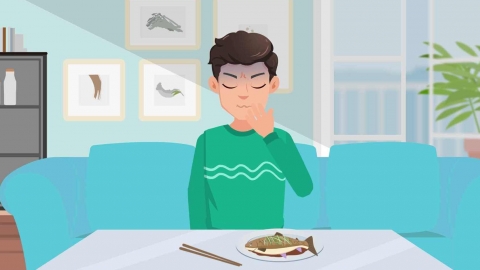
3. Symptomatic relief: In cases of severe diarrhea, smectite powder may be used under medical guidance to protect the intestinal mucosa. For significant abdominal pain, applying a warm compress to the abdomen may help. Avoid self-administering strong antidiarrheal medications or antibiotics, which may mask the condition.
4. Preserve samples for source tracing: Retain any remaining suspicious food, vomit, or fecal samples to assist in laboratory testing and diagnosis after medical consultation. This also helps relevant authorities trace the contamination source and prevent further cases of poisoning.
5. Seek timely medical evaluation: Seek prompt medical care if fever exceeds 38.5°C, signs of dehydration (such as dry mouth and reduced urination) appear, or vomiting and diarrhea persist beyond 24 hours. A doctor will determine whether anti-infective treatment or intravenous fluid replacement is necessary.
Diet during recovery should primarily consist of light, easily digestible liquid or semi-liquid foods such as rice soup, noodle soup, and steamed egg custard. Avoid spicy, greasy, raw, or cold foods that may irritate the gastrointestinal tract. Maintain regular作息 (daily routine) and adequate rest, gradually returning to a normal diet.





