


Why does carbon monoxide cause poisoning?
Nov 25, 2025
Source: Cainiu Health

Dr. Ren Yi
Introduction
The toxic effects of carbon monoxide are generally caused by its strong binding to hemoglobin, obstructing oxygen transport, leading to tissue hypoxia, damaging the central nervous system, and impairing cellular energy metabolism. Carbon monoxide binds to hemoglobin in human blood 200 to 300 times more effectively than oxygen does, and once it enters the body, it rapidly occupies the binding sites on hemoglobin.
Carbon monoxide causes poisoning primarily through strong binding with hemoglobin, hindering oxygen transport, leading to tissue hypoxia, damaging the central nervous system, and disrupting cellular energy metabolism. The specific mechanisms are as follows:
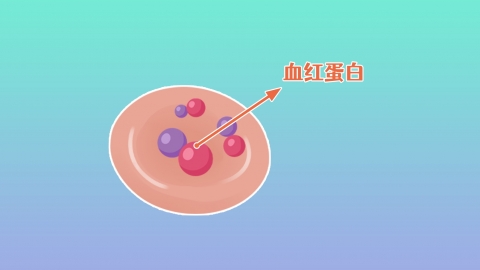
1. Strong binding with hemoglobin: Carbon monoxide has an affinity for hemoglobin in human blood that is 200–300 times greater than that of oxygen. Once inhaled, it rapidly occupies hemoglobin binding sites, forming carboxyhemoglobin, thereby rendering hemoglobin unable to carry oxygen.
2. Impairment of oxygen transport: Unlike oxyhemoglobin, carboxyhemoglobin cannot deliver oxygen from the lungs to tissues and organs throughout the body. This significantly reduces the blood's overall oxygen-carrying capacity, drastically decreasing oxygen supply to tissues and organs and causing systemic hypoxia.
3. Tissue hypoxia: As the concentration of carboxyhemoglobin in the blood increases, hypoxia symptoms in vital organs such as the heart, brain, and liver become progressively more apparent. The brain is especially sensitive to hypoxia; early symptoms include dizziness and headache, while severe hypoxia can lead to cell necrosis and impair normal organ function.
4. Central nervous system damage: Prolonged hypoxia in the central nervous system (including the brain and spinal cord) disrupts the structure and function of nerve cells, resulting in symptoms such as confusion, seizures, and coma. Some severe neurological injuries may be irreversible, leading to long-term sequelae like memory decline and motor dysfunction.
5. Disruption of cellular energy metabolism: Carbon monoxide can also enter cells and inhibit the activity of cytochrome oxidase—an essential enzyme in the cellular respiratory chain. When its activity is suppressed, cells cannot properly break down glucose to produce energy, resulting in interrupted energy supply and accelerated cell damage and death.
In daily life, avoid using coal-burning appliances or gas water heaters in enclosed spaces. Before entering areas where carbon monoxide might accumulate (such as cellars or garages), ensure proper ventilation and safety testing prior to entry.





