


How to use liquor to reduce fever and lower body temperature
Nov 25, 2025
Source: Cainiu Health

Dr. Liu Wenmin
Introduction
In general, when using liquor to reduce fever, it is necessary to follow proper procedures such as applying the liquor through wiping specific body areas, controlling the alcohol concentration, adjusting the frequency of wiping, monitoring environmental conditions, and observing the body's response, all of which should be performed correctly to ensure safety. During fever, adequate rest should be ensured, plenty of warm water should be consumed to maintain hydration, and the diet should be light and easy to digest.
Generally, when using liquor to reduce body temperature during fever, it is necessary to follow specific procedures such as selecting appropriate body areas for wiping, controlling the alcohol concentration, adjusting the frequency of wiping, regulating environmental conditions, and monitoring physical responses. These methods must be performed properly to ensure safety. Detailed analysis is as follows:
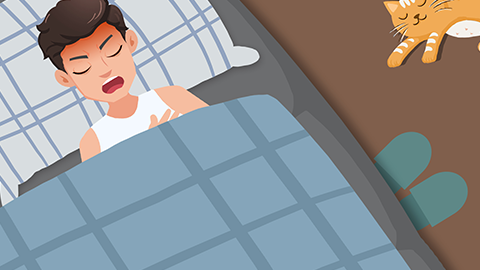
1. Body areas for liquor wiping: Priority should be given to regions with rich blood vessels, such as the forehead, both sides of the neck, armpits, groin, and inner thighs. Use clean gauze soaked in liquor to gently wipe these areas in circular motions for 3–5 minutes per site, allowing the evaporation of alcohol to carry away localized heat.
2. Controlling liquor concentration: High-concentration liquor may irritate the skin and could potentially be absorbed through the skin, causing discomfort. Therefore, the liquor should be diluted with warm water to a concentration of 25%–30%. A mixing ratio of 1 part liquor to 1–2 parts water is recommended to ensure the solution is mild and non-irritating.
3. Adjusting wiping frequency: The frequency should be based on body temperature. When body temperature is below 38.5°C, wipe every 30–60 minutes; if the temperature exceeds 38.5°C, shorten the interval to every 20–30 minutes. Avoid excessive wiping to prevent chilling. After each session, promptly keep the body warm.
4. Environmental considerations: Maintain a quiet and comfortable indoor environment with a temperature between 22–26°C, avoiding direct exposure to cold drafts. Light clothing can be worn to aid heat dissipation, but avoid complete exposure to cold environments to prevent worsening of the condition.
5. Monitoring physical responses: Closely observe mental status, facial appearance, and skin condition during wiping. If abnormalities such as skin redness, shivering, or agitation occur, stop wiping immediately. Monitor changes in body temperature and record the cooling effect to guide further management.
During fever, ensure adequate rest, drink plenty of warm water to maintain hydration, and consume light, easily digestible foods such as porridge or soft noodles to help restore the body's resistance.







