


What to do if the esophagus is scalded by drinking hot water
Nov 25, 2025
Source: Cainiu Health

Dr. Ren Yi
Introduction
After scalding the esophagus from drinking hot water, protective measures should be taken promptly. Key methods include immediately stopping the consumption of hot liquids, using cool liquids to relieve irritation, adjusting the diet to reduce friction, closely monitoring changes in symptoms, and implementing daily preventive measures. The esophageal mucosa has a strong regenerative capacity, and minor burns can usually heal quickly with proper care. During recovery, maintain a light and regular diet, and chew food slowly and thoroughly.
After scalding the esophagus from drinking hot water, timely protective measures should be taken. Key methods include immediately stopping consumption of hot liquids, using cool fluids to reduce irritation, adjusting diet to minimize friction, closely monitoring symptom changes, and implementing daily preventive strategies. A detailed analysis is as follows:
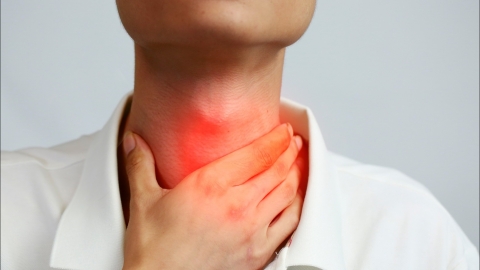
1. Immediately stop drinking hot water: Discontinue contact with hot liquids immediately after the injury to prevent ongoing thermal irritation to the esophageal mucosa and worsening of tissue damage. If hot liquid remains in the mouth, gently spit it out—do not attempt to swallow or rinse vigorously, to avoid extending the burn to the throat.
2. Use cool fluids to relieve irritation: Once oral discomfort has slightly subsided, small amounts of room-temperature or chilled water or cold milk (ideally 10–15 °C) may be consumed. Low temperatures help rapidly reduce local esophageal temperature and constrict blood vessels to decrease congestion. The protein in milk can also form a protective film over the mucosal surface, alleviating burning pain.
3. Adjust diet to reduce friction: For 1–2 days after the injury, consume only lukewarm or cool liquid or semi-liquid foods such as rice soup, thin porridge, or lotus root starch, with food temperatures kept below 37 °C. Avoid spicy, coarse, overly acidic, or sweet foods, as well as hot or hard foods that may irritate the injured area.
4. Closely monitor symptom progression: Mild scalds typically cause brief burning pain that resolves spontaneously within 1–2 days. However, if symptoms such as worsening swallowing difficulty, persistent retrosternal pain, vomiting blood, or black residue appear, this may indicate deeper mucosal injury, ulceration, or bleeding, requiring prompt medical evaluation.
5. Implement daily preventive measures: Before drinking, test liquid temperature with the lips—only drink when warm but not scalding. Allow freshly brewed beverages to cool to a safe temperature before consumption. This is especially important for elderly individuals, children, and those with impaired swallowing function.
The esophageal mucosa has strong regenerative capacity, and minor burns usually heal quickly with proper care. During recovery, maintain a light, regular diet, chew food thoroughly, and avoid alcohol and irritating beverages to support mucosal healing and reduce inflammation risk.






