


What to do if scalded by hot oil
Nov 25, 2025
Source: Cainiu Health

Dr. Liu Wenmin
Introduction
In general, after an oil burn, one should follow the principles of cooling to minimize damage and proper wound care. Management methods mainly include immediately removing the heat source, continuously rinsing with cool water, properly treating the wound, avoiding inappropriate actions, and performing appropriate follow-up care. When working in the kitchen, it is advisable to wear heat-resistant gloves and keep the stove area clean to reduce the risk of oil burns. If the burn covers a large area, the wound becomes infected with pus, or pain worsens, seek medical attention promptly.
Generally, after an oil burn, it is important to follow the principles of cooling down to minimize damage and proper wound care. The treatment mainly includes immediately moving away from the heat source, rinsing with cool running water, properly managing the wound, avoiding improper actions, and carrying out appropriate follow-up care. A detailed explanation is as follows:
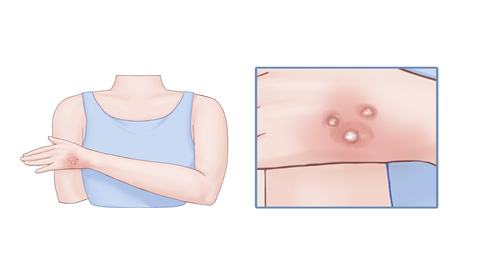
1. Immediately move away from the heat source: Right after an oil burn, quickly step away from stoves, hot oil containers, or other heat sources, and avoid dripping hot oil. If clothing is soaked with hot oil, carefully cut it off with scissors—do not pull or tear the fabric, as this may rub against the injured area, worsening skin damage and pain.
2. Rinse continuously with cold water: This is a crucial first-aid step. Use flowing cold water at 15–25°C to rinse the burned area for 15–20 minutes. For small burn areas, soaking the affected part in cold water is also acceptable. Cold water rapidly removes localized heat, reducing thermal damage to deeper tissues and helping alleviate pain.
3. Properly manage the wound: After rinsing, gently pat the wound dry using sterile gauze or a clean cotton towel—do not rub. If the area is only red and slightly swollen, apply a specialized burn ointment to protect the wound. If small blisters appear, do not puncture them yourself; the blistered skin acts as a natural protective layer and helps reduce the risk of infection.
4. Avoid improper practices: Never apply toothpaste, soy sauce, flour, or similar substances to the wound. These can block pores, impair heat dissipation and drainage of exudate, and may lead to infection, complicating further treatment. Also, avoid using unverified home remedies, which may irritate the wound and delay healing.
5. Perform proper follow-up care: Lightly cover the wound with sterile gauze to keep it clean and dry, and change the dressing regularly. Avoid exposing the wound to dust, and do not rub or press on the injured area. Maintain a light diet, consuming more vitamin- and protein-rich foods such as vegetables and eggs to support wound healing.
When working in the kitchen, consider wearing heat-resistant gloves and keeping the stove area tidy to reduce the risk of oil burns. If the burn covers a large area, shows signs of pus, or if pain worsens, seek medical attention at a hospital promptly for professional treatment.



