


Is carbon monoxide poisoning painful?
Nov 25, 2025
Source: Cainiu Health

Dr. Ren Yi
Introduction
In general, whether carbon monoxide poisoning is painful depends on the severity of poisoning and individual tolerance. If poisoning is suspected, immediately move the person to a safe environment, loosen their collar to maintain an open airway, administer oxygen promptly, and seek medical attention. In daily life, always check that gas appliances are properly turned off after use and install carbon monoxide detectors.
Generally, whether carbon monoxide poisoning is painful depends on the severity of poisoning and the individual's tolerance. The specific analysis is as follows:
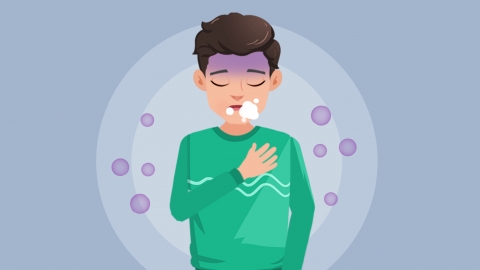
When poisoning is mild and the individual has good tolerance, the discomfort is relatively slight. At this stage, carboxyhemoglobin levels in the blood are low, and symptoms typically include mild headache, dizziness, and fatigue—similar to common cold symptoms—with clear consciousness. Symptoms can rapidly resolve after promptly moving to a well-ventilated area, leaving no significant memory of discomfort and causing minimal impact on the body.
In cases of moderate to severe poisoning or in individuals with poor tolerance, intense suffering may occur. Elevated carboxyhemoglobin levels lead to tissue hypoxia, resulting in severe headache, nausea, vomiting, and difficulty breathing. In severe cases, confusion, seizures, or even coma may develop. Organ damage due to oxygen deprivation can occur, and neurological dysfunction may persist during recovery.
Upon detecting poisoning, immediately move the person to a safe environment, loosen clothing (such as the collar) to ensure unobstructed breathing, administer oxygen promptly, and seek emergency medical care. After using gas appliances, always check that they are properly turned off. Install carbon monoxide detectors and ensure regular ventilation to reduce the risk of poisoning.




