


How to prevent non-occupational carbon monoxide poisoning
Nov 25, 2025
Source: Cainiu Health

Dr. Ren Yi
Introduction
To prevent non-occupational carbon monoxide poisoning, it is essential to use gas appliances properly, install carbon monoxide detectors, ensure adequate ventilation, regularly inspect and maintain equipment, and acquire safety knowledge—thereby avoiding risks at the source. If symptoms such as dizziness, nausea, or fatigue—suggestive of poisoning—occur, seek medical attention immediately. Gas water heaters and stoves must be installed in well-ventilated areas to avoid
To prevent non-occupational carbon monoxide poisoning, it is essential to use gas appliances properly, install carbon monoxide detectors, ensure adequate ventilation, conduct regular maintenance of equipment, and acquire safety knowledge—thereby mitigating risks at the source. If symptoms such as dizziness, nausea, or fatigue—possible signs of poisoning—occur, seek medical attention immediately.
1. Use gas appliances properly: Install gas water heaters and stoves in well-ventilated areas. Avoid prolonged use in enclosed spaces. Always close the gas valves after use to prevent gas leaks that could produce carbon monoxide.
2. Install carbon monoxide alarms: Place certified detectors in key areas such as bedrooms and kitchens. Regularly check battery levels and sensitivity to ensure they can provide timely warning signals.
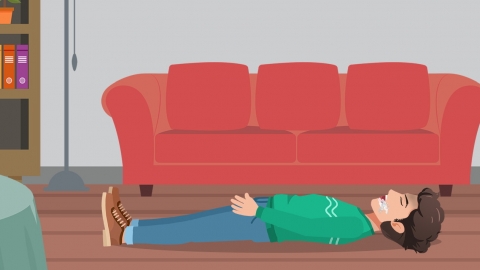
3. Maintain proper ventilation: When using gas appliances, coal, or charcoal for heating, always open windows to allow air circulation. This prevents carbon monoxide from accumulating indoors and reduces the risk of poisoning.
4. Regularly inspect and maintain equipment: Have qualified professionals routinely inspect gas pipes, valves, stoves, and flues. Replace any aging or damaged components promptly to prevent gas leaks or backflow of exhaust gases.
5. Acquire safety knowledge: Do not use gas water heaters without exhaust venting. Avoid burning items indoors or running air conditioners while vehicles are idling in closed spaces. Learn to recognize symptoms of carbon monoxide poisoning and understand emergency response procedures.
Develop habits such as closing gas valves and ventilating after use. Educate family members, especially elderly individuals and children, to avoid hazardous practices. Calibrate carbon monoxide detectors every six months and replace stoves no later than eight years after installation—strengthening your safety defenses.




