


What to do for carbon monoxide poisoning
Nov 25, 2025
Source: Cainiu Health

Dr. Ren Yi
Introduction
After carbon monoxide poisoning, immediately move the person to a well-ventilated area, call emergency medical services promptly, loosen any tight clothing to maintain an open airway, stop using the suspected appliance, and perform cardiopulmonary resuscitation (CPR) on anyone who is unconscious. If symptoms such as dizziness or nausea occur, initiate first aid measures immediately and seek professional medical assistance without delay. Follow-up care should include hyperbaric oxygen therapy as directed by a physician to prevent long-term neurological damage.
After carbon monoxide poisoning, immediately move the person to a well-ventilated area, call emergency services promptly, loosen any tight clothing to maintain an open airway, stop using the suspected appliance, and perform cardiopulmonary resuscitation (CPR) if the person is unconscious. If symptoms such as dizziness or nausea occur, take immediate first-aid measures and seek professional medical help. Detailed steps are as follows:
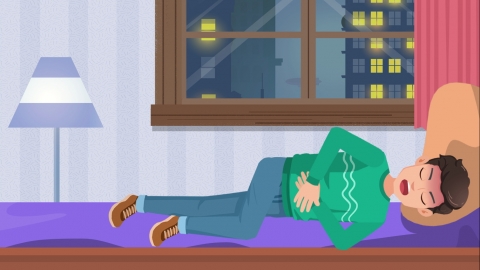
1. Immediately move to a well-ventilated area
Carbon monoxide is colorless and odorless and can easily accumulate in enclosed spaces. Quickly moving the patient to fresh, well-circulated air stops continuous inhalation of the gas, reduces carboxyhemoglobin levels in the blood, and prevents worsening of poisoning. Handle the patient gently during transfer and avoid vigorous activity that could increase oxygen consumption.
2. Call emergency services immediately
Professional medical intervention is crucial for treating poisoning. When calling emergency services, clearly state the number of affected individuals, the location, and their symptoms so that medical personnel can bring necessary equipment—such as hyperbaric oxygen apparatus—and arrive quickly, saving valuable time for treatment.
3. Loosen clothing and maintain an open airway
Loosen restrictive clothing such as collars and belts, turn the patient’s head to one side, and clear any foreign material from the mouth to prevent airway blockage by vomit. Keeping the airway open ensures adequate oxygen intake and reduces tissue damage caused by hypoxia.
4. Discontinue use of the source appliance
Immediately shut off devices producing carbon monoxide, such as coal stoves or gas water heaters, to prevent further release of the gas. Open windows and doors to ventilate thoroughly, reducing ambient carbon monoxide levels and preventing secondary exposure.
5. Perform CPR on unconscious individuals
If the patient is unresponsive and shows no signs of breathing or pulse, begin chest compressions and rescue breaths immediately to sustain basic life functions until emergency medical personnel arrive.
Follow-up care should include hyperbaric oxygen therapy as directed by a physician to prevent long-term neurological damage. As preventive measures, install carbon monoxide detectors, ensure proper ventilation when using fuel-burning appliances, and regularly inspect equipment safety to prevent poisoning at the source.



