What are the clinical characteristics of hemoptysis?
Nov 25, 2025
Source: Cainiu Health

Dr. Ren Yi
Introduction
Hemoptysis is a common symptom caused by lesions in the respiratory tract and lungs. Its clinical features mainly include typical bleeding pattern and color, significant variation in the amount of hemoptysis, frequent association with respiratory symptoms, identifiable precipitating factors, and close correlation with manifestations of the underlying disease. The clinical characteristics of hemoptysis can provide important clues for etiological diagnosis. When related symptoms occur, timely medical evaluation is necessary to determine the underlying cause through detailed examinations.
Hemoptysis is a common symptom caused by lesions in the respiratory tract and lungs. Its clinical characteristics mainly include typical bleeding pattern and color, significant variation in the amount of hemoptysis, frequent association with respiratory symptoms, identifiable precipitating factors, and close correlation with manifestations of the underlying disease. A detailed analysis is as follows:
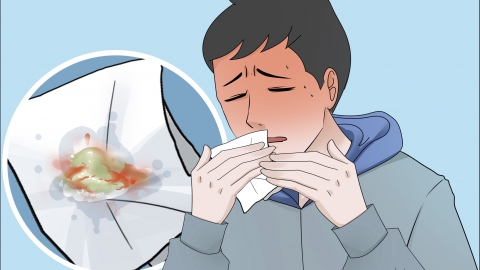
1. Typical bleeding pattern and color: Blood is usually expelled through coughing, often mixed with sputum or foam. The color is typically bright red. If the bleeding is slow or the blood remains in the airway for a prolonged period, it may appear dark red or rust-colored. Occasionally, bloody mucus or streaked sputum can be observed, which clearly distinguishes it from hematemesis (vomited blood), which is usually dark red and mixed with food residue.
2. Significant variation in the amount of hemoptysis: Mild hemoptysis refers to blood-streaked sputum or spitting small amounts of fresh blood, with daily blood loss less than 100 mL. Moderate hemoptysis involves 100–500 mL of blood loss per day, presenting as intermittent or continuous episodes. Massive hemoptysis exceeds 500 mL per day, often occurring in a jet-like manner and posing a high risk of asphyxiation.
3. Frequently accompanied by respiratory symptoms: Cough, chest tightness, and sore throat commonly occur before or after hemoptysis. Some patients may experience shortness of breath or wheezing. If infection is present, sputum volume increases and becomes purulent; hemoptysis may worsen with intensified coughing.
4. Presence of identifiable precipitating factors: Common triggers include severe coughing, excessive fatigue, and emotional excitement, all of which increase vascular pressure in the respiratory tract and may provoke or exacerbate bleeding. In addition, smoking, alcohol consumption, and exposure to irritant gases may stimulate diseased areas and induce hemoptysis.
5. Close association with underlying disease manifestations: Hemoptysis is often a secondary symptom of an underlying condition. For example, patients with pulmonary tuberculosis frequently have low-grade fever and night sweats; those with bronchiectasis typically have a long history of chronic cough and copious purulent sputum; lung cancer patients may present with weight loss and chest pain. These associated symptoms help identify the cause of hemoptysis.
The clinical features of hemoptysis provide important clues for etiological diagnosis. Individuals experiencing such symptoms should seek prompt medical attention for thorough evaluation to determine the underlying cause and receive appropriate treatment and care.