


What to do if bitten by a rat
Nov 25, 2025
Source: Cainiu Health

Dr. Wang Lei
Introduction
After being bitten by a rat, main treatment measures include immediately washing the wound, disinfecting it with iodine tincture, promptly receiving rabies vaccination, administering tetanus antitoxin, and closely monitoring physical condition. Do not ignore any bite incident; proper management is essential to reduce health risks. In daily life, maintain environmental cleanliness, regularly remove clutter, seal gaps in walls, and prevent rodent infestation.
After being bitten by a rat, main management measures include immediately cleaning the wound, disinfecting it with iodophor, timely administration of rabies vaccine, injection of tetanus antitoxin, and close monitoring of physical condition. Do not ignore any bite incident; proper treatment is essential to reduce health risks. Specific analysis is as follows:
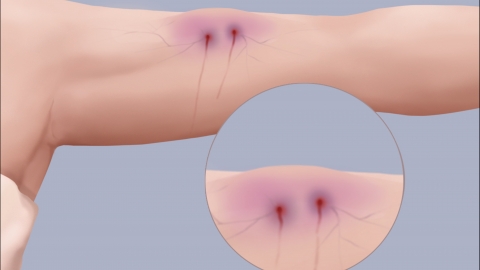
1. Immediately clean the wound
Rat mouths carry various bacteria and viruses; prompt rinsing can reduce residual contaminants. Flush the wound continuously for 15–20 minutes with running water or saline solution, gently squeezing around the wound during rinsing to promote the discharge of contaminated blood.
2. Disinfect the wound with iodophor
After cleaning, it's important to kill any remaining pathogens on the wound surface to prevent infection. Use a cotton swab dipped in iodophor to evenly apply it to the wound and surrounding skin. Avoid using alcohol directly on the inside of the wound to prevent tissue irritation.
3. Timely administration of rabies vaccine
Rats may carry the rabies virus, which can enter the nervous system through wounds. Regardless of the wound size, seek medical attention within 24 hours to receive the rabies vaccine, and strictly follow the recommended vaccination schedule to complete all doses.
4. Injection of tetanus antitoxin
Deep or heavily contaminated wounds are prone to Clostridium tetani growth. A doctor will assess the wound and determine whether tetanus antitoxin or human tetanus immunoglobulin should be administered to prevent tetanus infection.
5. Closely monitor physical condition
Watch for signs of infection such as redness, swelling, increased pain, or pus at the wound site. Also monitor for systemic symptoms like fever, headache, and fatigue. Seek immediate medical re-evaluation if any abnormalities occur.
Maintain daily environmental hygiene by regularly clearing clutter and sealing wall cracks to prevent rat infestation. Store food in sealed containers to avoid attracting rats. Wash hands promptly after contact with areas where rats may have been present, reducing the risk of infection.





