What to do if stung by a wasp
Nov 25, 2025
Source: Cainiu Health

Dr. Wang Lei
Introduction
After being stung by a wasp, immediately move away from the nest, carefully remove the stinger, clean the wound with an alkaline solution, apply cold compresses to reduce swelling and pain, and seek medical attention promptly if severe symptoms occur. If redness, swelling, pain, or other discomfort appears locally, take prompt measures to prevent worsening symptoms. In daily care, avoid scratching the wound to prevent infection. When engaging in outdoor activities, wear long-sleeved clothing and a hat.
After being stung by a hornet, it is essential to immediately move away from the nest, carefully remove the stinger, clean the wound with an alkaline solution, apply cold compresses to reduce swelling and pain, and seek medical attention promptly if severe symptoms occur. If local symptoms such as redness and pain appear, prompt treatment measures should be taken to prevent worsening of symptoms. Detailed analysis is as follows:
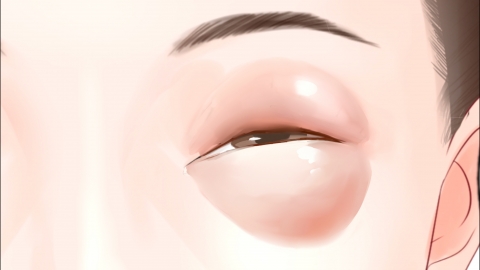
1. Immediately move away from the nest
Hornets are aggressive and may attack in groups after stinging. Quickly moving away from the nest and their active areas can prevent further stings and reduce total toxin exposure. Remain calm during evacuation and avoid running or sudden movements that might provoke hornets to pursue.
2. Carefully remove the stinger
Hornet stingers often remain embedded in the wound, continuously releasing toxins. Use tweezers or the tip of a needle to gently lift out the stinger. Avoid squeezing the wound during removal, as this may force remaining toxins from the venom sac into the body and worsen the local reaction.
3. Clean the wound with an alkaline solution
Hornet venom is acidic, so an alkaline solution can help neutralize the toxin. Washing the wound with soap water or baking soda solution helps reduce toxin activity and alleviate pain and swelling. Thoroughly wipe around the wound during cleaning to ensure complete hygiene.
4. Apply cold compresses to reduce swelling and pain
Toxin irritation can cause local blood vessel dilation and tissue edema. Applying an ice pack or cold towel to the affected area for 15–20 minutes at a time helps constrict blood vessels, reduce fluid leakage, and relieve swelling and discomfort. Be sure to wrap the ice pack in a towel to prevent skin frostbite.
5. Seek immediate medical care for severe symptoms
Some individuals are allergic to hornet venom and may develop serious symptoms such as difficulty breathing, dizziness, or widespread rashes, which can be life-threatening. In such cases, call emergency services immediately and keep the patient’s airway open while en route to medical care.
For daily care, avoid scratching the wound to prevent infection. When engaging in outdoor activities, wear long-sleeved clothing and a hat, and avoid using scented skincare products that may attract hornets. Individuals with known allergies should carry antihistamines or other allergy medication at all times and take preventive protective measures in advance.