What to do if stung by a wasp
Nov 25, 2025
Source: Cainiu Health

Dr. Wang Lei
Introduction
After being stung by a hornet, immediately leave the area, clean the wound, apply a cold compress to reduce swelling, use topical medications, and monitor symptoms. Prompt treatment can alleviate discomfort and prevent worsening of the condition. If symptoms such as difficulty breathing, widespread rash, dizziness, palpitations, or severe swelling at the wound site occur, seek medical attention immediately. Quickly move away from areas with hornet activity to avoid being stung again.
After being stung by a hornet, immediately leave the area, clean the wound, apply a cold compress to reduce swelling, apply medication, and monitor symptoms. Prompt treatment can alleviate discomfort and prevent the condition from worsening. Seek immediate medical attention if symptoms such as difficulty breathing, widespread rash, dizziness, palpitations, or severe swelling at the wound site occur.
1. Leave the environment immediately: Quickly move away from areas where hornets are active to avoid being stung again. Do not swat at the hornet, as this may trigger it to release signals that attract more hornets. Remain calm and evacuate in an orderly manner.
2. Clean the wound: Rinse the wound thoroughly with soapy water or clean water for 15–20 minutes to neutralize the acidic components of the hornet venom and reduce toxin absorption. Use a gentle water flow to avoid irritating the wound.
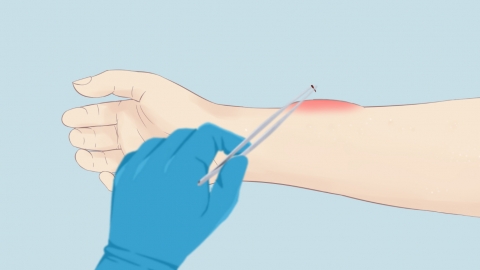
3. Apply cold compress to reduce swelling: Wrap an ice pack or ice cubes in a towel and apply to the sting site and surrounding swollen areas. Apply for 15–20 minutes at a time, repeating every 1–2 hours as needed to relieve pain and swelling.
4. Apply medication: Apply calamine lotion to the affected area to relieve itching, or use topical corticosteroid creams to reduce inflammation. Avoid scratching the wound with hands to prevent bacterial infection.
5. Monitor symptoms: Closely observe your physical condition for 30 minutes to one hour after the sting. Watch for signs of allergic reactions or systemic symptoms. Mild local discomfort can be monitored at home, but seek prompt medical care if symptoms worsen or become abnormal.
During outdoor activities, wear long-sleeved clothing and pants, and wear a hat. Avoid using strongly scented skincare products or perfumes. Stay alert when near flower beds or wooded areas, and do not touch hornet nests. Taking preventive measures can help reduce the risk of stings.