Do nasal polyps always require surgery?
Nov 26, 2025
Source: Cainiu Health

Dr. Lu Cheng
Introduction
In general, nasal polyps do not necessarily require surgery; whether surgery is needed depends on the specific condition. If you experience any discomfort, it is recommended to seek medical attention promptly. Keep the nasal cavity moist and consistently rinse with saline solution to reduce accumulation of secretions. Avoid exposure to allergens such as dust and pollen to prevent irritation of the nasal mucosa and subsequent inflammation.
In general, nasal polyps do not necessarily require surgery. Whether or not surgery is needed depends on the specific condition of the patient. If discomfort occurs, timely medical consultation is recommended. The detailed analysis is as follows:
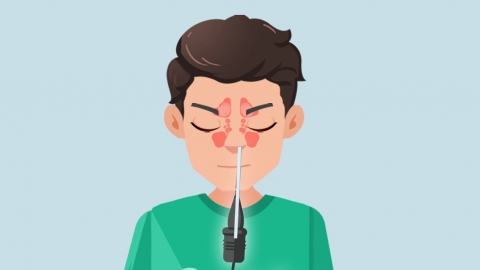
When nasal polyps are small and symptoms are mild, surgery may not be necessary. In such cases, the polyps do not significantly block the nasal cavity and only cause slight nasal congestion or runny nose. Their growth can be controlled, and even reduced or resolved, through standardized drug treatment. Nasal corticosteroids are commonly used to suppress inflammation, along with saline nasal irrigation. Most patients experience effective symptom relief and only require regular follow-up examinations to monitor changes in the polyps.
When nasal polyps are large and symptoms are severe, surgery is usually required. Polyps that obstruct the nasal passages can lead to severe nasal blockage, loss of smell, or complications such as sinusitis, headaches, and sleep apnea. Drug therapy has limited effectiveness in these cases, so surgical removal of the polyps is necessary to improve nasal airflow and drainage. Delaying surgery may result in chronic disease progression and could even affect hearing.
Maintain nasal moisture by consistently using saline nasal irrigation to reduce mucus buildup. Avoid exposure to allergens such as dust and pollen to prevent irritation of the nasal mucosa and subsequent inflammation. Quit smoking, limit alcohol consumption, maintain a light diet, and avoid spicy foods that may加重 nasal burden. Follow a regular sleep schedule to enhance immunity, take medications as prescribed, and attend regular check-ups to detect any signs of polyp recurrence promptly.