


How to determine if it is otitis media
Nov 26, 2025
Source: Cainiu Health

Dr. Lu Cheng
Introduction
In general, otitis media can be identified by symptoms such as ear pain, fluid or pus drainage from the ear canal, hearing loss, tinnitus, and fever. If multiple symptoms listed above occur, prompt medical evaluation is recommended. In daily life, maintain dryness and cleanliness of the ear canal, avoid allowing contaminated water to enter the ear, and reduce the risk of infection.
Generally, otitis media can be identified based on symptoms such as ear pain, fluid or pus discharge from the ear canal, hearing loss, tinnitus, and fever. The details are as follows:
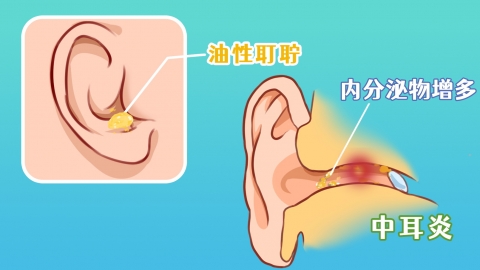
1. Ear Pain
Ear pain is a common symptom of otitis media, often presenting as pulsating or sharp pain that may worsen during swallowing or coughing. Inflammation irritates the mucous membranes of the ear canal and the eardrum, causing local congestion and swelling. This compresses nerve endings and triggers pain, which is typically more pronounced in children.
2. Fluid or Pus Discharge from the Ear Canal
The presence of abnormal discharge from the ear canal should raise concern. Initially, it may appear as thin mucus, but as the condition progresses, it can turn into yellow, pus-like fluid. This occurs because inflammation increases mucus production in the mucous membrane; in severe cases, the eardrum may perforate, allowing pus to drain out through the ear canal.
3. Hearing Loss
Inflammation leads to fluid accumulation in the middle ear cavity, obstructing sound conduction and resulting in hearing loss. This may manifest as muffled hearing or the need to increase volume to hear clearly. Such hearing changes are usually temporary and often resolve once the inflammation subsides.
4. Tinnitus
Some individuals may experience persistent or intermittent tinnitus, such as buzzing or ringing sounds. Otitis media may stimulate the auditory nerves or disrupt sound transmission due to fluid buildup, both of which can lead to tinnitus.
5. Fever
When bacterial or viral infections trigger inflammation, the body's immune system activates, potentially causing fever. Children may develop higher fevers and often show additional symptoms like fatigue and reduced appetite.
If multiple symptoms listed above occur, prompt medical evaluation is recommended. In daily life, maintain dryness and cleanliness of the ear canal, avoid letting contaminated water enter the ears, and reduce the risk of infection.






