What blood tests are included in blood donation?
Dec 12, 2025
Source: Cainiu Health

Dr. Li Feng
Introduction
Blood tests for blood donation include blood type determination, complete blood count, liver function tests, infectious disease screening, coagulation function tests, etc. If abnormal test results occur along with physical discomfort, prompt medical evaluation is recommended to establish a clear diagnosis. Determining the donor's ABO and Rh blood types ensures compatibility between donor and recipient, thereby preventing hemolytic reactions.
Blood tests for blood donation include blood type testing, complete blood count (CBC), liver function tests, infectious disease screening, coagulation function tests, and others. If abnormal test results occur along with physical discomfort, it is recommended to seek medical attention promptly for accurate diagnosis.
1. Blood Type Testing: Determines the donor's ABO and Rh blood types to ensure compatibility between donor and recipient, preventing hemolytic reactions. This is a fundamental test for safe blood transfusion and requires precise identification of blood group categories and antigen-antibody status.
2. Complete Blood Count (CBC): Measures indicators such as red blood cells, white blood cells, and platelets to evaluate the donor’s hematopoietic function and general health. It helps identify conditions like anemia or infection, ensuring that the donor is physically fit for donation and that the donated blood meets quality standards.
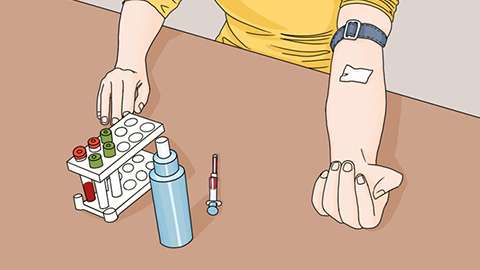
3. Liver Function Tests: Assesses levels of alanine aminotransferase (ALT), aspartate aminotransferase (AST), bilirubin, and other markers to reflect liver metabolism and functional status. This helps detect liver diseases such as hepatitis, ensuring blood safety and protecting the donor’s own health.
4. Infectious Disease Screening: Tests for pathogen markers including hepatitis B virus, hepatitis C virus, human immunodeficiency virus (HIV), and Treponema pallidum (syphilis). This strict screening prevents transmission of infectious diseases through blood transfusion and is crucial for recipient safety.
5. Coagulation Function Tests: Evaluates prothrombin time (PT), activated partial thromboplastin time (aPTT), and other indicators to assess blood clotting ability. This helps prevent prolonged bleeding after donation due to coagulation disorders and ensures normal coagulation function of the blood when used clinically.
Maintaining regular作息, a balanced diet, avoiding excessive fatigue and alcohol consumption helps keep blood parameters stable. After donation, donors should appropriately increase fluid and nutritional intake, avoid strenuous exercise, and keep the puncture site clean and dry to promote rapid recovery.