


Can sensorineural hearing loss be cured?
Nov 26, 2025
Source: Cainiu Health

Dr. Lu Cheng
Introduction
If sudden sensorineural hearing loss occurs and the duration of illness is short (e.g., within one week), and severe nerve damage has not yet developed, timely drug treatment (such as medications to improve circulation and nourish nerves) combined with rehabilitation training may lead to significant improvement or even full recovery of hearing in some patients. Subsequently, proper hearing protection is required to prevent recurrence.
In general, if neurosensory hearing loss is detected early and the symptoms are mild, partial improvement may be achieved through treatment. However, if the condition has persisted for a long time or caused severe damage, complete recovery becomes difficult. If there are concerns, it is advisable to seek medical consultation promptly. Specific analysis is as follows:
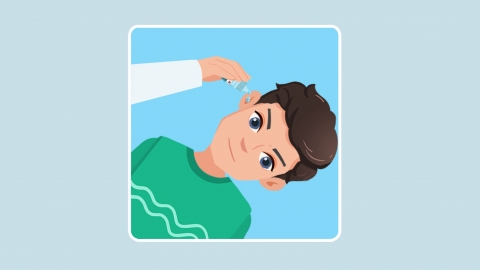
If the neurosensory hearing loss is sudden in onset, with a short duration (e.g., within one week), and has not caused serious nerve damage, timely medical treatment—such as medications to improve circulation and nourish nerves—combined with rehabilitation training, may lead to significant hearing improvement in some patients, even returning to normal levels. Subsequently, proper hearing protection is essential to prevent recurrence.
If the neurosensory hearing loss has been present for a prolonged period (over three months), or results from chronic noise exposure, neurodegenerative diseases, or other causes leading to severe nerve damage, treatment becomes more challenging and full recovery is often unattainable. In such cases, hearing aids or cochlear implants are typically required to improve hearing and support normal communication, as medication alone offers limited effectiveness.
When hearing loss occurs, it is important to visit a hospital promptly for hearing tests to determine the underlying cause and extent of damage, avoiding delays in treatment. Daily precautions should include avoiding noisy environments, refraining from prolonged headphone use, and protecting residual hearing.







