


What should I do if the pain goes away after acupuncture for piriformis syndrome?
Dec 10, 2025
Source: Cainiu Health

Dr. Sun Lianqing
Introduction
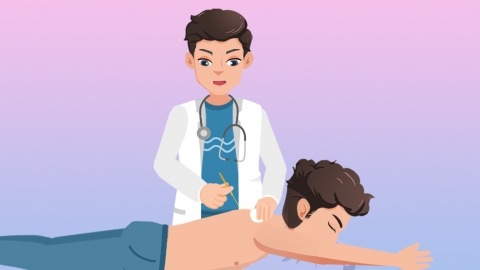
After acupuncture for the piriformis muscle, the pain has subsided; however, consolidation treatment is necessary, along with avoiding local irritation, maintaining proper rest, performing moderate functional exercises, and closely monitoring changes in symptoms. If pain recurs, or if numbness, weakness, or restricted movement in the limbs occurs later on, prompt medical attention is advised. Pain relief after acupuncture does not mean the condition is completely cured.
After acupuncture for the piriformis muscle, if the pain has subsided, it is important to continue consolidation treatment, avoid local irritation, rest properly, perform moderate functional exercises, and closely monitor any changes in symptoms. If pain recurs, or if limb numbness, weakness, or restricted movement occurs later on, seek medical attention promptly.
1. Consolidation treatment: Pain relief after acupuncture does not mean the condition is completely cured. Follow your doctor's instructions to complete the full course of treatment to prevent recurrence and ensure full recovery of piriformis muscle function.
2. Avoid local irritation: Avoid strenuous exercise, prolonged sitting or standing, and heavy physical labor shortly after treatment. Do not press or rub the acupuncture sites to prevent re-tensing or injury to the muscle.
3. Proper rest: Ensure adequate rest and maintain comfortable body positions. Avoid excessive hip flexion, extension, or rotation to reduce strain on the piriformis muscle and promote healing of local tissues.
4. Moderate functional exercise: Under medical guidance, perform gentle rehabilitation exercises such as hip stretching and gluteal muscle contraction training to strengthen muscles, maintain joint stability, and prevent recurrence.
5. Closely monitor symptom changes: Watch for redness, swelling, or rebound pain at the acupuncture site, and monitor whether sensation and motor function in the lower limbs remain normal. Take timely intervention if any abnormalities occur.
In daily life, maintain correct sitting and standing postures, avoid staying in one position for long periods, and get up regularly to move around. Keep the buttocks warm to prevent muscle spasms caused by cold exposure, and maintain a balanced diet to provide necessary nutrients for muscle recovery. Gradually return to a normal daily routine.


