


Is it normal to have continuous nosebleeds for several days?
Nov 26, 2025
Source: Cainiu Health

Dr. Lu Cheng
Introduction
If nasal mucosa damage is caused by dry environment, frequent nose picking, or temporary heatiness, resulting in several days of mild nosebleeds that stop spontaneously, symptoms usually gradually improve by increasing environmental humidity, avoiding nose picking, and drinking more water. This type of situation is typically due to short-term nasal mucosal injury, posing low risk with timely care.
Generally, having a nosebleed that lasts for several consecutive days is not considered normal and may be related to environmental or physical factors. Attention should be paid and the underlying causes should be investigated. If concerned, it is advisable to seek medical consultation promptly. Detailed analysis is as follows:
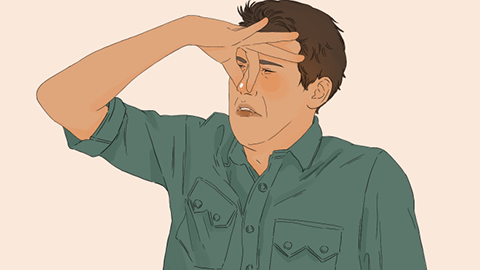
If dry environment, frequent nose picking, or temporary heatiness (internal body heat) causes nasal mucosa damage, resulting in minor nosebleeds lasting several days that stop on their own, symptoms usually gradually improve by increasing ambient humidity, avoiding nose picking, drinking more water, etc. This type of situation typically results from temporary nasal mucosal injury and carries low risk if properly cared for.
However, if nosebleeds persist for several consecutive days with heavy bleeding that is difficult to stop, or are accompanied by symptoms such as dizziness, fatigue, or gum bleeding, the cause may be related to conditions like rhinitis, deviated nasal septum, or blood disorders—these are abnormal situations. Professional medical evaluation is required to determine the exact cause, as routine self-care measures alone cannot resolve the issue. Delaying treatment may worsen discomfort or lead to further complications.
In daily life, it's important to keep the nasal passages moist and avoid forceful nose blowing or picking. If nosebleeds continue for more than three days without improvement or are accompanied by unusual symptoms, prompt medical evaluation is recommended to identify the cause and receive appropriate treatment.





