


What meridians are located behind the ear?
Nov 26, 2025
Source: Cainiu Health

Dr. Sun Lianqing
Introduction
The meridians behind the ear generally include the Foot-Shaoyang Gallbladder Meridian, Hand-Shaoyang Triple Energizer Meridian, Foot-Taiyang Bladder Meridian, Hand-Taiyang Small Intestine Meridian, and the Governor Vessel.
Foot-Shaoyang Gallbladder Meridian: This meridian passes through the mastoid area behind the ear, ascends to connect with the head, and descends to extend toward the trunk. It is primarily associated with the gallbladder organ, regulating gallbladder function, and also plays a role in alleviating discomfort of the head and ears, such as relieving distension and pain behind the ear or migraine headaches.
The meridians behind the ear generally include the Foot-Shaoyang Gallbladder Meridian, Hand-Shaoyang Triple Energizer Meridian, Foot-Taiyang Bladder Meridian, Hand-Taiyang Small Intestine Meridian, and the Governor Vessel (Du Meridian). Specific details are as follows:
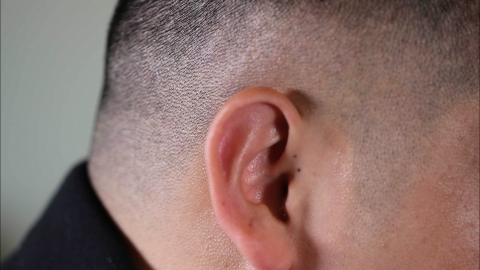
1. **Foot-Shaoyang Gallbladder Meridian**: This meridian passes through the mastoid area behind the ear, ascends to connect with the head, and extends downward to the trunk. It is primarily associated with the gallbladder organ, regulating gallbladder function, and also plays a role in alleviating discomfort of the head and ears, such as distension and pain behind the ear or migraines.
2. **Hand-Shaoyang Triple Energizer Meridian**: This meridian runs to the area behind the ear and then circles upward around the ear. It governs the circulation of body fluids and coordinates organ functions, closely relating to ear health. It can help improve symptoms such as ear fullness and tinnitus, while also regulating qi and blood flow in the upper limbs.
3. **Foot-Taiyang Bladder Meridian**: A branch of this meridian extends from the neck to the region behind the ear, connecting with the bladder and kidneys. Its main function is to eliminate dampness and waste from the body and nourish the kidney meridian. It supports blood and qi supply to the area behind the ear and may assist in relieving neck and shoulder stiffness along with ear discomfort.
4. **Hand-Taiyang Small Intestine Meridian**: A branch of this meridian passes behind the ear, linking the small intestine with the head. Its primary role is transforming and transporting nutrients from food, delivering them to the head and ears, thus helping maintain normal ear function. It also regulates upper limb movement and digestive function.
5. **Governor Vessel (Du Meridian)**: Running up along the spine, certain branches of the Du Meridian reach the area behind the ear. Known as the "sea of yang meridians," it governs all yang energy in the body and regulates qi and blood flow in the head. It plays an integrating role in promoting circulation behind the ear and in the head, helping alleviate conditions such as cold deficiency in the head and discomfort behind the ears.
In daily life, gently massaging the meridian areas behind the ears can promote qi and blood circulation; however, care should be taken to use moderate pressure and avoid excessive force. If persistent pain, swelling, or other symptoms occur behind the ear, medical attention should be sought promptly for accurate diagnosis and targeted treatment.


