


How to care for otitis media
Nov 26, 2025
Source: Cainiu Health

Dr. Lu Cheng
Introduction
Otitis media care generally involves maintaining ear cleanliness and dryness, avoiding water entering the ear, using medications appropriately, adjusting diet, and monitoring changes in hearing. In daily care, gently wipe ear canal secretions at the outer ear opening with a clean cotton swab, avoiding deep insertion into the ear canal to prevent damaging the ear canal mucosa or worsening infection. Keep the skin around the ear dry to reduce opportunities for bacterial growth.
Otitis media care generally involves keeping the ear clean and dry, preventing water from entering the ear, using medications properly, adjusting diet, and monitoring hearing changes. Specific measures are as follows:
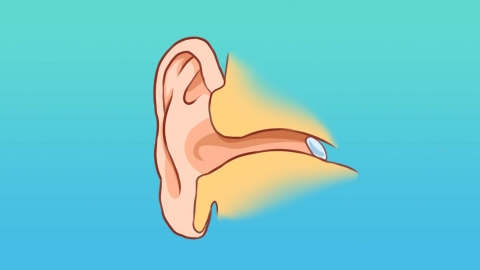
1. Keep the ear clean and dry: Gently wipe away secretions at the external auditory canal opening with a clean cotton swab in daily care. Avoid inserting the swab deeply into the ear canal to prevent damaging the mucous membrane or worsening infection. Maintain dryness of the skin around the ear to reduce bacterial growth and create a favorable environment for inflammation recovery.
2. Prevent water from entering the ear: Use earplugs or clean cotton balls to block the external auditory canal during bathing or hair washing to prevent contaminated water from entering. If water does enter, promptly use a dry cotton swab to absorb moisture at the ear canal opening. This helps avoid prolonged water retention in the ear canal, which may lead to secondary infection and impair healing.
3. Use medications properly: Strictly follow medical instructions when using antibiotic ear drops or oral medications. When administering ear drops, keep the affected ear facing upward and maintain this position for 5–10 minutes after application to ensure adequate contact between the medication and the ear canal mucosa. Do not adjust dosage or discontinue medication on your own, as this may compromise treatment effectiveness or lead to symptom recurrence.
4. Adjust diet: Avoid spicy, greasy, and overly sweet foods, as these may trigger inflammatory responses in the body and worsen ear discomfort. Increase intake of fresh fruits and vegetables to boost vitamin supply, and maintain sufficient hydration to support metabolism and aid in resolving inflammation.
5. Monitor hearing changes: Pay attention to any signs of hearing loss or tinnitus during care. If sudden hearing decline or worsening tinnitus occurs, inform your doctor promptly. Avoid prolonged exposure to noisy environments to minimize ear irritation and prevent further hearing damage.
If symptoms such as increased ear pain, excessive pus discharge, or fever develop during care, seek medical attention immediately. Even after recovery, regular follow-up examinations are recommended to monitor ear health and reduce the risk of recurrence.





