How to manage and nourish the body when suffering from poor spleen and stomach function
Dec 12, 2025
Source: Cainiu Health

Dr. Sun Lianqing
Introduction
In general, the main methods for managing poor spleen and stomach function include dietary adjustments, medication, traditional Chinese medicine调理 (regulation), habit improvement, and emotional management. In addition, spleen and stomach regulation should be carried out gradually. If symptoms such as worsening stomach pain, vomiting, or diarrhea occur, medical attention should be sought promptly. During the recovery period, it is essential to strictly follow professional guidance and avoid self-medicating, ensuring that the调理 (regimen) is both scientific and effective.
Generally, methods for conditioning poor spleen and stomach function mainly include dietary adjustment, medication intervention, traditional Chinese medicine (TCM) regulation, habit improvement, and emotional management. The details are as follows:
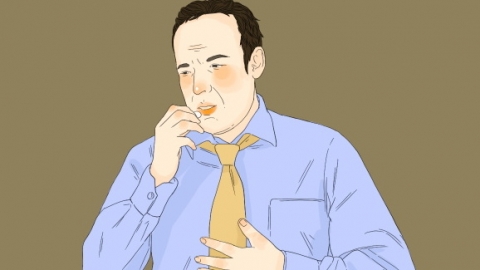
1. Dietary Adjustment
Dietary adjustment is the core of spleen and stomach conditioning, following the principle of consuming warm, soft, and easily digestible foods. Daily intake can include ingredients such as millet porridge, Chinese yam, and pumpkin. Millet porridge helps strengthen the spleen and harmonize the stomach; Chinese yam tonifies the spleen and boosts qi; pumpkin protects the gastric mucosa. Avoid raw, cold, spicy, and greasy foods. Chew food thoroughly and eat slowly to reduce the digestive burden on the spleen and stomach and support functional recovery.
2. Medication Intervention
Medication should be used under medical guidance. Commonly used medicines include Xiangsha Yangwei Pills, Shenling Baizhu Powder, Jianpi Pills, Baohe Pills, and Weisu Granules. Xiangsha Yangwei Pills are suitable for individuals with cold stomach; Shenling Baizhu Powder targets spleen deficiency with dampness excess; Jianpi Pills strengthen the spleen and stimulate appetite, addressing reduced food intake and abdominal distension caused by spleen weakness.
3. Traditional Chinese Medicine (TCM) Regulation
TCM regulates spleen and stomach function by stimulating meridians. Moxibustion commonly targets acupoints such as Zhongwan, Pishu, and Weishu—Zhongwan helps harmonize the stomach and strengthen the spleen. Abdominal massage promotes gastrointestinal motility, while acupressure on Zusanli enhances the digestive and transforming functions of the spleen and stomach, alleviating indigestion and related issues.
4. Habit Improvement
Poor lifestyle habits can easily damage the spleen and stomach. It's important to establish regular routines, avoid staying up late, and ensure adequate time for nighttime repair of the spleen and stomach. Avoid binge eating, maintain regular meal times with controlled portions, and refrain from intense physical activity immediately after meals, allowing the spleen and stomach to function effectively in a stable environment.
5. Emotional Management
According to TCM theory, "anger harms the liver" and "excessive thinking harms the spleen." Emotional fluctuations can disrupt the spleen’s transformation and transportation functions. Maintain a cheerful mood in daily life and regulate emotions through activities like listening to music or walking. Avoid prolonged anxiety and depression to prevent liver qi stagnation from affecting spleen and stomach function, thus ensuring smooth flow of qi and blood in these organs.
In addition, spleen and stomach conditioning should be gradual. If symptoms such as worsening stomach pain, vomiting, or diarrhea occur, seek medical attention promptly. Strictly follow professional guidance during the conditioning process and avoid self-medicating to ensure safe and effective results.