


Can eye drops be used for otitis media?
Nov 26, 2025
Source: Cainiu Health

Dr. Lu Cheng
Introduction
In general, whether eye drops can be used for otitis media depends on the specific ingredients of the eye drops and the type of middle ear infection. If discomfort occurs, it is recommended to seek medical attention promptly. Use earplugs to block the outer ear during bathing to prevent water from entering the ear canal. Keep the ears dry and clean, and avoid inserting fingers or cotton swabs deep into the ear canal. Treat colds promptly to prevent nasal mucus reflux that could lead to middle ear infection.
Generally speaking, whether eye drops can be used for otitis media depends on the specific ingredients of the eye drops and the type of middle ear infection. If discomfort occurs, prompt medical attention is recommended. The detailed analysis is as follows:
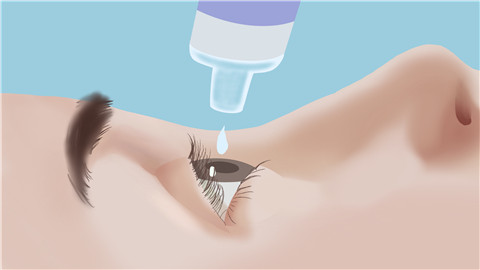
Certain broad-spectrum eye drops containing antibacterial ingredients may be used under a doctor's guidance for mild cases of external otitis or early-stage otitis media. In such cases, the ear canal shows only slight redness, swelling, or itching, without significant pus discharge or severe pain. If the ingredients in the eye drops are compatible with those in dedicated ear drops, they may temporarily suppress bacterial growth and relieve local discomfort. However, dosage and frequency must strictly follow medical advice.
Eye drops should not be used arbitrarily in cases of suppurative otitis media or when there is a perforated eardrum. Most eye drops contain preservatives that may irritate the middle ear mucosa and worsen tissue damage. Some ingredients are ineffective against pathogens causing middle ear infections, potentially delaying proper treatment. Non-antibacterial eye drops, such as artificial tears, have no therapeutic effect on otitis media. Using them blindly may also block pus drainage and increase the risk of infection spreading.
Use earplugs to block the outer ear during bathing to prevent water from entering the ear canal. Keep the ears dry and clean, and avoid inserting fingers or cotton swabs deep into the ear canal. Treat colds promptly to prevent nasal mucus reflux that could lead to middle ear infection. Maintain a light diet and avoid spicy or irritating foods. If symptoms such as ear pain or pus discharge occur, seek immediate medical care—do not self-medicate.




