


What causes a pulsating sensation like a pulse in one ear, and how should it be managed?
Dec 01, 2025
Source: Cainiu Health

Dr. Lu Cheng
Introduction
A pulsating sensation in one ear may be caused by mental tension, lack of sleep, external otitis, otitis media, or vascular pulsatile tinnitus. Symptoms can be improved by adjusting sleep habits, relaxing emotionally, and medication. If symptoms persist or are accompanied by hearing loss or ear pain, prompt medical attention is necessary. Long-term anxiety and excessive stress can lead to increased nerve excitability.
A pulsating sensation in one ear may be caused by factors such as mental stress, lack of sleep, external otitis, otitis media, or vascular pulsatile tinnitus. Symptoms can be improved through adjusting daily routines, relaxing emotionally, or medical treatment. If symptoms persist or are accompanied by hearing loss or ear pain, prompt medical attention is necessary.
1. Mental stress: Long-term anxiety and excessive pressure can lead to heightened nerve activity and abnormal constriction of blood vessels in the ear, resulting in a pulsing sensation that worsens during emotional fluctuations. It is recommended to practice meditation, deep breathing, and other relaxation techniques, reduce late-night activities, avoid overexertion, and maintain emotional stability.
2. Sleep deprivation: Chronic late nights or poor sleep quality can disrupt bodily metabolism and vascular regulation, increasing awareness of blood vessel pulsations in the ear, often accompanied by dizziness and fatigue. It is advised to maintain a regular sleep schedule, ensure 7–8 hours of sleep each night, and avoid using mobile phones or watching stimulating videos before bedtime.
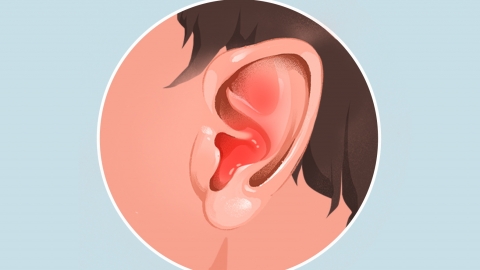
3. External otitis: Inflammation of the external auditory canal caused by ear picking injuries or exposure to contaminated water can irritate the ear, leading to discomfort including a pulsating sensation, along with redness, swelling, and pain in the ear canal. Under medical guidance, patients may use medications such as ofloxacin ear drops, cefaclor dispersible tablets, and ibuprofen sustained-release capsules to relieve symptoms.
4. Otitis media: Middle ear inflammation caused by bacterial or viral infections can stimulate the mucous membrane of the tympanic cavity, causing a pulsating sensation in the ear, often accompanied by ear pain, hearing loss, and tinnitus. It is recommended to use medications such as amoxicillin capsules, lomefloxacin hydrochloride ear drops, and prednisone tablets under medical supervision to alleviate discomfort.
5. Vascular pulsatile tinnitus: Abnormal pulsations in blood vessels near the ear can transmit to the inner ear, producing a rhythmic pulsing sensation synchronized with the heartbeat, which is more noticeable in quiet environments. Patients may follow medical advice to take betahistine tablets, flunarizine hydrochloride capsules, or mecobalamin tablets to improve symptoms.
To prevent ear discomfort, keep the ears clean and avoid frequent ear picking. Prevent water from entering the ear during bathing. Maintain a light diet, avoid spicy and irritating foods, drink plenty of water, avoid prolonged headphone use, and engage in moderate exercise to strengthen overall health and reduce ear-related issues.




