


Can vine tea treat pharyngitis?
Nov 26, 2025
Source: Cainiu Health

Dr. Lu Cheng
Introduction
In general, vine tea is a common herbal beverage known for its effects of clearing heat, detoxifying the body, reducing swelling, and relieving pain. Whether vine tea can treat pharyngitis depends on the specific condition of the pharyngitis. It is advisable to drink plenty of warm water daily to keep the throat moist, and to avoid consuming irritating beverages such as strong alcohol and concentrated tea. A light diet is recommended, with reduced intake of spicy and fried foods.
Generally, vine tea is a common herbal beverage known for its effects of clearing heat, detoxifying the body, reducing swelling, and relieving pain. Whether vine tea can treat pharyngitis depends on the specific condition of the pharyngitis. The detailed analysis is as follows:
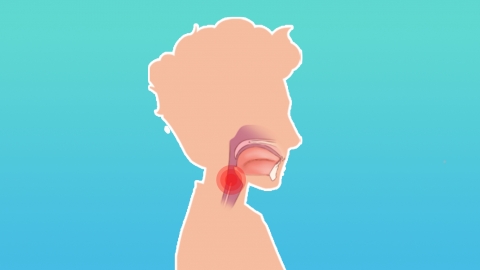
During the remission phase of chronic pharyngitis or when symptoms of acute pharyngitis are mild—such as occasional dryness, itching, or a sensation of a foreign body in the throat without significant pain or fever—vine tea may be used as an auxiliary remedy. Drinking mild vine tea can help moisten the throat mucosa and alleviate local discomfort. When combined with adequate rest, it may support recovery, but it should be clearly understood that vine tea cannot replace standard medical treatment.
In cases of severe acute pharyngitis accompanied by intense sore throat, difficulty swallowing, or fever, relying on vine tea for treatment is not appropriate. These conditions are often caused by bacterial or viral infections and require prompt medical attention. Vine tea cannot eliminate pathogens, and delaying proper treatment may lead to worsening of the condition. Additionally, individuals who are allergic to components of vine tea or who have damaged throat mucosa or ulcers should avoid consuming it, as it may trigger adverse reactions.
It is recommended to drink plenty of warm water daily to keep the throat moist and to avoid irritants such as strong alcohol and concentrated tea. Maintain a light diet, reduce intake of spicy and fried foods, and consume more fresh fruits and vegetables to supplement vitamins. Control your voice volume when speaking and avoid overusing your voice. Keep indoor humidity at a comfortable level and ensure regular ventilation to reduce the frequency of throat discomfort episodes.






