


What are the symptoms of fungal external otitis?
Nov 27, 2025
Source: Cainiu Health

Dr. Lu Cheng
Introduction
In general, fungal external otitis—an inflammatory condition caused by fungal infection of the external auditory canal—mainly presents symptoms such as ear itching, ear discharge, ear pain, hearing loss, and tinnitus. Patients are advised to avoid cleaning the ears themselves upon noticing symptoms and should seek timely medical treatment. Daily care should include keeping the ear canal dry; after bathing or swimming, the ear canal should be promptly dried to prevent water from entering.
Generally, fungal external otitis—an inflammatory condition caused by fungal infection of the external auditory canal—mainly presents symptoms such as ear itching, ear discharge, ear pain, hearing loss, and tinnitus. A detailed analysis is as follows:
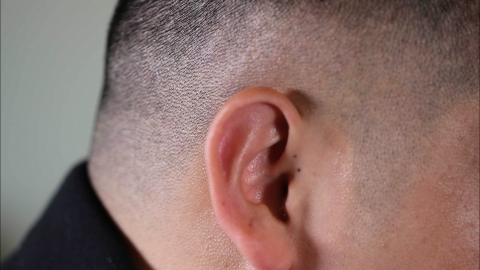
1. Ear Itching: This is the most typical symptom of fungal external otitis, often manifesting as persistent or paroxysmal severe itching. Patients frequently scratch their ears with fingers or tools, which can worsen mucosal damage and intensify the itching. The discomfort tends to be more pronounced at night or in warm environments.
2. Ear Discharge: Abnormal secretions appear in the ear canal, usually white, yellow, or black in color, with a curd-like or fluffy appearance. Some dried secretions may form crusts adhering to the ear canal wall, sometimes accompanied by a mild odor. The amount of discharge varies depending on the severity of the condition.
3. Ear Pain: In early stages, pain is usually mild, presenting as a dull ache or fullness within the ear canal. If inflammation progresses or secretions block the ear canal, the pain may intensify into a continuous stabbing sensation. Chewing, opening the mouth, or touching the ear may further aggravate or radiate the pain.
4. Hearing Loss: Due to blockage of the ear canal by secretions, crusts, or swollen mucosa, sound conduction is impaired, leading to temporary hearing loss. Sounds may seem muffled or distant. Hearing may temporarily improve after cleaning the ear canal, but symptoms tend to recur if the inflammation remains uncontrolled.
5. Tinnitus: Some patients may experience tinnitus, typically described as a continuous or intermittent buzzing or hissing sound inside the ear. This is related to fungal irritation of the ear canal mucosa and its impact on auditory conduction. Symptoms may become more noticeable in quiet environments.
Patients are advised not to clean their ears manually upon noticing symptoms, but to seek timely medical attention instead. Daily care should focus on keeping the ear canals dry—dry the ears promptly after bathing or swimming, avoid water entering the ear canal, stay away from humid and hot environments, reduce intake of spicy and irritating foods, and support recovery from inflammation.


